Quick Navigation
Let's be honest. The world of crypto coins is a mess of hype, jargon, and wild price swings. One day everyone's a genius, the next you're wondering if you just set your money on fire. I've been there. I bought my first Bitcoin back when it was more of a curiosity than an investment, and let's just say I've learned a lot of lessons the hard way.
This guide isn't about making you a crypto millionaire overnight. That's a fantasy sold by too many influencers. This is about understanding what these digital assets actually are, how they work in plain English, and how you can approach them without losing your shirt. We'll cut through the noise and look at the real utility, the undeniable risks, and the practical steps if you decide to dive in.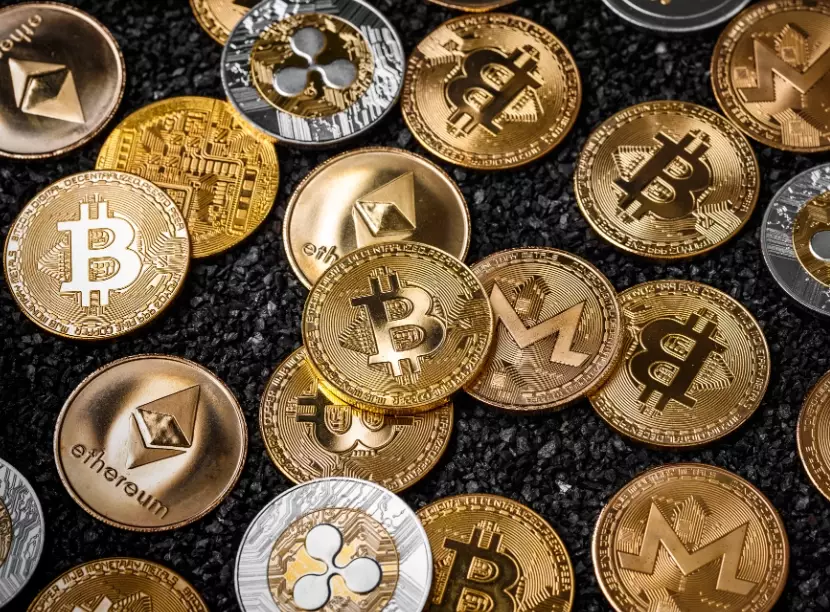
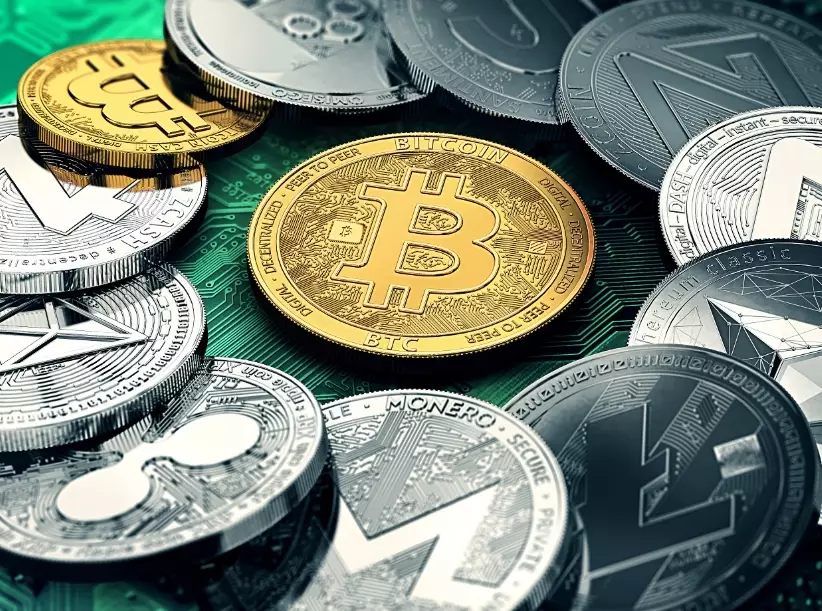
At its simplest, a crypto coin is a digital asset designed to work as a medium of exchange. It uses cryptography to secure transactions, control the creation of new units, and verify the transfer of assets. Think of it like digital cash, but instead of being issued by a government (like the US Dollar or Euro), it runs on a decentralized network of computers. The most famous example, of course, is Bitcoin. But calling all crypto assets "Bitcoin" is like calling every search engine "Google." There's a whole universe out there.
Beyond Bitcoin: The Different Flavors of Crypto Coins
If you only know Bitcoin, you're missing the big picture. The ecosystem has exploded. Here’s a rough breakdown of the main categories. It's not perfect, but it helps make sense of the chaos.
Store-of-Value Coins (The “Digital Gold”)
This is Bitcoin's primary role now. Its supply is capped at 21 million coins, making it scarce like gold. People buy and hold it, hoping its value will increase over the long term as more people adopt it. It's not great for buying coffee (transactions can be slow and expensive), but as a potential hedge against inflation? That's the argument. I'm not fully convinced it's a perfect hedge, but the narrative is powerful.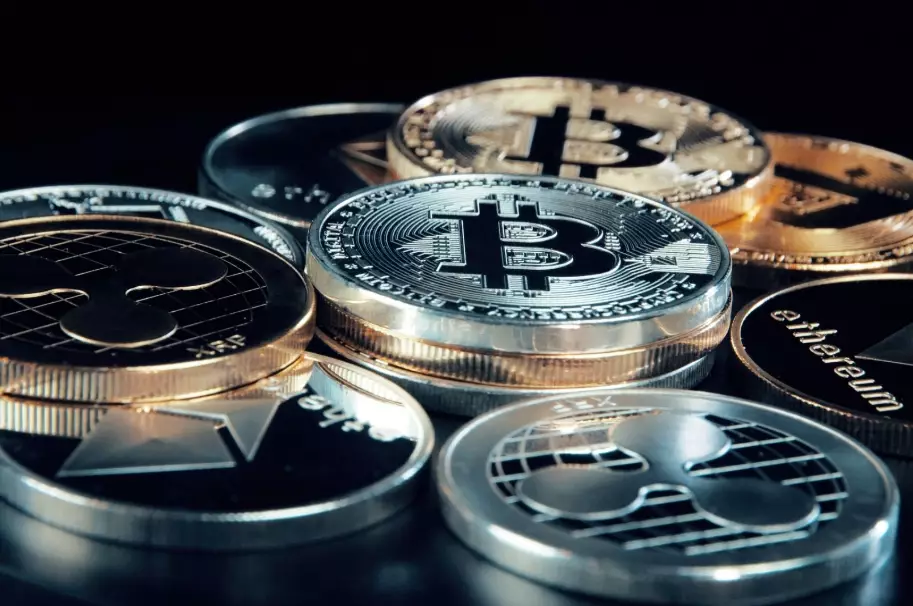
Smart Contract Platforms (The “World Computers”)
This is where things get interesting. Ethereum is the king here. These platforms don't just handle payments; they run programs called "smart contracts." These are self-executing agreements that power everything from decentralized finance (DeFi) apps to NFT marketplaces. Other major players include Cardano, Solana, and Avalanche. Each tries to solve Ethereum's problems (like high fees and slow speed) in different ways. Honestly, the competition here is brutal, and it's hard to know which one, if any, will win long-term.
Stablecoins (The “Crypto Safe Haven”)
These are crypto coins designed to have a stable value, usually pegged to a fiat currency like the US Dollar. Tether (USDT) and USD Coin (USDC) are the big ones. They let traders park money in crypto without jumping back to regular dollars, and they're essential for DeFi. The risk? You have to trust that the company behind them actually holds the dollars they claim to have in reserve. It's a central point of failure in a decentralized world.
Utility & Governance Tokens
These tokens give you access to a specific service or protocol. For example, you might need the Filecoin token to pay for decentralized file storage, or the Uniswap token to vote on changes to the Uniswap exchange. Their value is tied directly to the usage of their platform. If no one uses the service, the token is worthless.
| Type of Crypto Coin | Primary Purpose | Key Examples | My Frank Assessment |
|---|---|---|---|
| Store-of-Value | Long-term holding, scarcity play | Bitcoin (BTC) | The original. Volatile, but the brand is unmatched. The network is incredibly secure. |
| Smart Contract Platform | Run decentralized applications (dApps) | Ethereum (ETH), Solana (SOL), Cardano (ADA) | Ethereum is the incumbent but clunky. "Ethereum killers" are faster but less battle-tested. A real trade-off. |
| Stablecoin | Maintain stable value for trading/payments | Tether (USDT), USD Coin (USDC) | Extremely useful but introduces centralization risk. Don't hold large amounts long-term in Tether. |
| Utility Token | Access a specific network service | Filecoin (FIL), Chainlink (LINK) | Value is 100% tied to real-world usage. High risk, high potential reward if the project succeeds. |
See? It's not one thing. When someone says "invest in crypto," you have to ask: "Which crypto? And for what purpose?" Throwing money at a random meme coin is gambling. Understanding the category is step one to being smarter than that.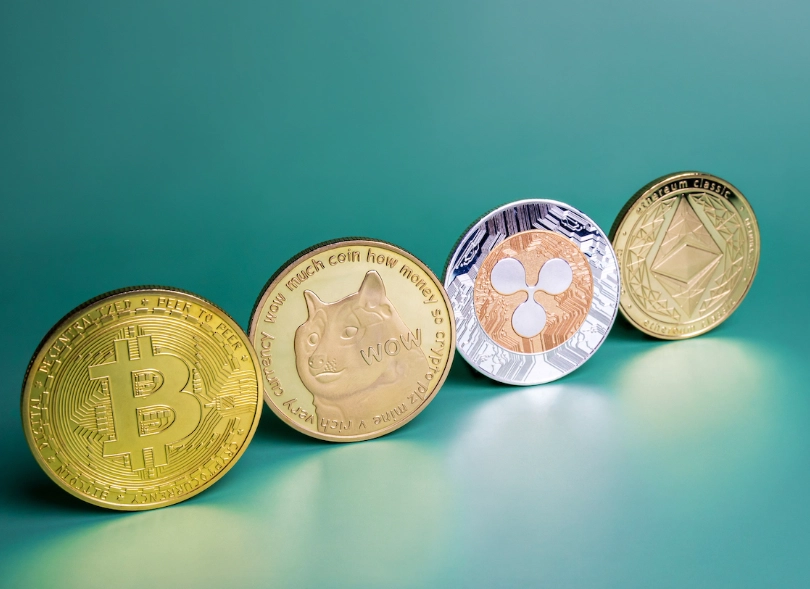
How to Actually Get Started with Crypto Coins (A Step-by-Step Reality Check)
Okay, let's say you've done your reading and you're ready to take a small, calculated risk. How do you actually do it? Here’s the process, stripped of the glamour.
- Choose a Reputable Exchange. This is your on-ramp. You need a place to buy crypto with your regular money. Coinbase and Kraken are the go-tos for beginners in the US. They're regulated, have decent customer support (for the industry), and are relatively easy to use. Binance is the global giant, but its regulatory issues make me nervous for new users. Do your own research here – check reviews on sites like Trustpilot.
- Secure Your Investment with a Wallet. This is the most important step most people skip. "Not your keys, not your coins." If you leave your crypto on the exchange, you're trusting that exchange not to get hacked or go bankrupt. For any significant amount, get a hardware wallet like a Ledger or Trezor. It's a USB-like device that stores your private keys offline. For smaller amounts, a software wallet like MetaMask (for Ethereum-based tokens) is okay. The U.S. Securities and Exchange Commission (SEC) has repeatedly warned investors about the risks of leaving assets on unregulated platforms, a point worth remembering.
- Develop a Strategy (Don't Just Buy Randomly). Are you dollar-cost averaging (DCA)? That means putting in a fixed amount every month, which smooths out volatility. Are you making a one-time bet on a specific project you believe in? Have an exit plan. What price will you take profits? What loss is your absolute limit? Write it down. Emotion is your worst enemy in crypto.
- Understand the Tax Implications. In most countries, including the US, selling crypto for a profit is a taxable event. So is trading one coin for another. Using a service like CoinTracker or Koinly to track your transactions from day one is a lifesaver. The IRS is paying very close attention to this space now.
I learned the wallet lesson the hard way. Years ago, I left a modest amount of an altcoin on a small exchange to make trading easier. The exchange vanished overnight. Poof. Gone. It wasn't life-changing money, but it was a stupid, entirely preventable loss. Don't be me.
The Inescapable Risks: What Nobody Wants to Talk About
Let's not sugarcoat it. This is a risky asset class. High potential returns come with high potential losses. Here are the big ones.
Volatility. A 10% swing in a day is normal. A 50% crash in a month has happened multiple times. Can you stomach watching your investment get cut in half without panicking and selling at the bottom?
Regulatory Uncertainty. Governments are still figuring out how to handle crypto. Will they ban it? Tax it heavily? Regulate it into oblivion? A single tweet from a regulator can crash the market. For the latest on U.S. regulatory stances, the SEC's official website is a critical resource, though their actions often create more uncertainty than clarity.
Security Threats. Hacks on exchanges and DeFi protocols are common. If you lose your private key or seed phrase, your funds are gone forever. No customer service can recover them.
Project Failure. Most crypto projects fail. The team runs out of money, the code has a fatal flaw, or no one ends up using it. The coin goes to zero.
Your Own Psychology. This might be the biggest risk. Fear of missing out (FOMO) makes you buy high. Fear, uncertainty, and doubt (FUD) make you sell low. Greed makes you chase meme coins. You are your own worst enemy.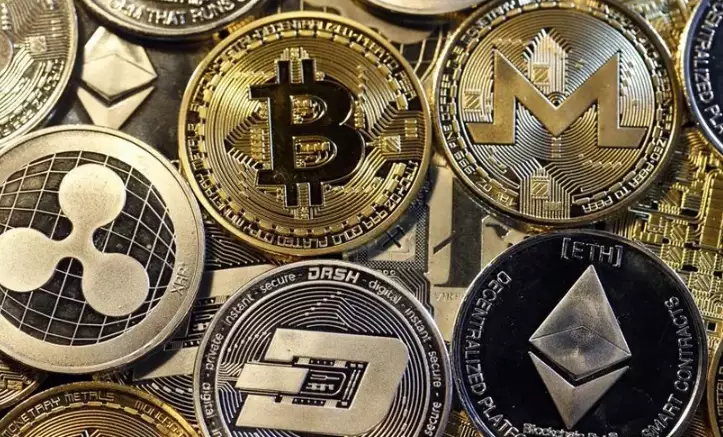
Answering Your Burning Questions (The FAQ)
That's the million-dollar question, isn't it? It depends on your time horizon and belief in the technology. If you think blockchain and digital assets will become a fundamental part of the global financial system over the next 10-20 years, then no, it's likely not too late. If you're looking for a 100x return in a year, you've probably missed the easiest gains. The days of Bitcoin going from $1 to $1,000 are over. Now it's about gradual, volatile adoption.
Red flags are everywhere. Anonymous team? Big red flag. Promises of guaranteed returns? Huge red flag. An overly complex whitpaper that reads like nonsense? Run. Stick to projects with transparent, known teams, a clear and simple value proposition, and a working product with real users. Check their code repositories on GitHub – is there active development? For market data and basic project info, sites like CoinMarketCap and CoinGecko are good starting points, but always dig deeper.
People use these words interchangeably, but there's a technical difference. A coin (like Bitcoin or Litecoin) operates on its own native blockchain. A token is built on top of an existing blockchain, like the thousands of ERC-20 tokens on Ethereum. Tokens are easier to create but depend on the security and functionality of the host chain. For most beginners, the distinction isn't critical, but it helps you understand the landscape.
Looking Ahead: What's the Real Future for Crypto Coins?
Forget the price predictions. Let's talk about use cases that might actually stick.
Programmable Money. This is the big one. Smart contracts allow money to have logic built into it. Imagine an insurance payout that triggers automatically when a flight is delayed, or a freelance contract that pays you the second you submit the approved work. That's powerful stuff.
Decentralized Identity and Ownership. Proving who you are online without handing your data to Facebook or Google. Owning your in-game assets as NFTs so you can actually sell them. These aren't just ideas; early versions exist.
A New Financial System (DeFi). Lending, borrowing, and earning interest without a bank in the middle. It's clunky and risky now, but the core idea of open, permissionless finance is compelling.
Will today's specific crypto coins be the ones that power this future? Maybe, maybe not. Bitcoin might remain digital gold. Ethereum might be overtaken by a faster, cheaper competitor. The stablecoin that everyone trusts in ten years might be issued by a central bank (a Central Bank Digital Currency, or CBDC).
The most valuable lesson I've learned is this: Bet on the innovation, not just the current favorite. The technology behind crypto coins—the blockchain, the cryptography, the peer-to-peer networks—is genuinely revolutionary. But which horses will pull that revolution's carriage is still very much up for debate.
So where does that leave you? Overwhelmed, probably. That's normal. The key is to start small, learn continuously, and never let the hype drown out your common sense. Treat it as a high-risk, high-potential part of a broader financial plan, not a lottery ticket. Understand what you're buying and why. Secure your assets like your financial life depends on it—because it does.
The world of crypto coins is messy, exciting, frustrating, and full of potential. It's okay to be skeptical. It's smart to be cautious. But it's also worth understanding, because like the internet in the 90s, it's not going away. It's just going to keep evolving, one block at a time.
Reader Comments