Quick Navigation
- Why Do So Many People Look for an Ethereum Stock?
- If It's Not a Stock, What Is Ethereum (ETH) Then?
- The "Brokerage-Friendly" Paths: As Close to "Stock" as It Gets
- The Direct Path: Actually Owning Ethereum (ETH)
- Side-by-Side: Your Investment Options Compared
- Answers to the Real Questions You Have (The FAQ I Wish I Had)
- Putting It All Together: A Simple Decision Framework
It happens all the time. You hear about Ethereum's potential, the whole decentralized finance thing, maybe even some chatter about it being "the world computer." Your investing brain kicks in. You open your brokerage app, type "Ethereum stock" into the search bar, and... crickets. Maybe a weird crypto-mining company from 2017 pops up, but nothing that looks like buying shares in Ethereum itself.
That's because there isn't one. And that initial confusion is exactly why you're here. Searching for an Ethereum stock is like searching for "Microsoft gold"—you're mixing up two completely different asset classes. One is a company you can own a piece of; the other is a digital commodity and platform you can own directly.
But here's the thing: your instinct isn't wrong. You want exposure to Ethereum's success. You just need the right map for this new terrain. This guide is that map. We're going to walk through why that search term is so popular, what you're actually looking for, and then lay out every single legitimate way to get Ethereum (ETH) into your portfolio, from the traditional brokerage-friendly options to the hands-on crypto-native methods.
Why Do So Many People Look for an Ethereum Stock?
Think about it. For decades, the primary way for regular people to invest in technology or a big idea was through the stock market. Want a piece of the internet boom? Buy tech stocks. Believe in electric vehicles? Buy auto stocks. Our brains are wired for that model: find a company, buy a share, ride the growth.
Ethereum represents a massive, revolutionary idea—a new way to handle contracts, money, and ownership. It's natural to want a "stock" in that future. The search for an Ethereum stock is really a search for a familiar, regulated, easy button to invest in a very unfamiliar asset.
People want the convenience of their existing brokerage account. They want the perceived safety of a regulated exchange. They might even want to include it in their IRA or 401(k). The term "stock" is a shorthand for all that familiarity. The problem is, it's the wrong shorthand, and using it can lead you down unproductive or risky paths.
If It's Not a Stock, What Is Ethereum (ETH) Then?
Okay, foundational moment. You need to understand what you're actually trying to get exposure to. Calling ETH a "cryptocurrency" is like calling a smartphone a "phone"—technically true but misses 90% of the point.
ETH is the native fuel of the Ethereum network. You need it to pay for transactions ("gas fees") and to interact with applications built on it. But more importantly for an investor, holding ETH is like holding a combination of:
- A Commodity: It's a digital resource needed to operate a valuable network, like oil for an engine.
- A Stake in the Network: Since Ethereum's shift to Proof-of-Stake, holding and "staking" ETH allows you to participate in securing the network and earn rewards—kind of like earning interest, but generated by the protocol itself.
- An Ecosystem Bet: The value of ETH is theoretically tied to the usage and growth of everything built on Ethereum: DeFi apps, NFTs, DAOs, you name it.
So when you're looking for an Ethereum stock alternative, you're looking for ways to gain exposure to the value of that fuel and the success of that ecosystem.
The "Brokerage-Friendly" Paths: As Close to "Stock" as It Gets
This is probably what you initially hoped for. Ways to buy something Ethereum-related from your familiar Schwab, Fidelity, or Robinhood account. Good news: these exist. Bad news: they're all compromises with different trade-offs.
1. Ethereum Futures (The Trader's Choice)
These are contracts traded on regulated exchanges like the CME Group (Chicago Mercantile Exchange). You're not buying ETH. You're betting on its future price. Pros? Ultra-regulated, available in many brokerage accounts. Cons? They're complex, have expiration dates, and are better suited for short-term trading than long-term "buy and hold" investing. It's a tool, not a simple substitute.
2. Ethereum Trusts & Funds (The Grayscale Model)
This is a big one. A company like Grayscale buys a huge amount of actual ETH and creates a tradable security (the Grayscale Ethereum Trust, ticker: ETHE) that represents a claim on that holding. You buy shares of the trust, which trade on a stock exchange.
3. The Holy Grail: Spot Ethereum ETFs
This is the frontier. As of my writing this, the U.S. Securities and Exchange Commission (SEC) has finally approved spot Ethereum ETFs. These are expected to launch soon. A spot ETF would hold actual ETH, and its shares would trade on an exchange just like an SPY (S&P 500 ETF).
This changes everything.
It would be the closest thing imaginable to an Ethereum stock: easy to buy in a brokerage account, regulated, with (hopefully) low fees. It will likely be the default choice for millions of traditional investors. Keep a very close eye on news about these—their approval and launch is the biggest story in crypto accessibility.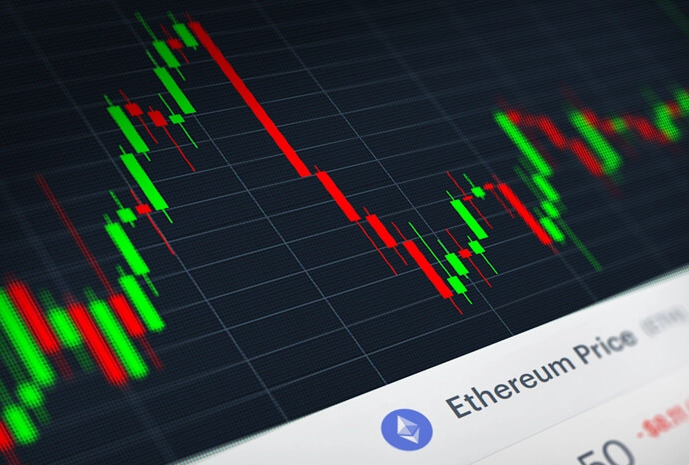
4. Stocks of Companies Heavily Invested in Ethereum
The indirect play. You could buy stock in companies that hold a lot of ETH on their balance sheet (like some tech firms) or whose business is deeply tied to the Ethereum ecosystem (like certain crypto exchanges or infrastructure companies).
But let's be real: this is a diluted bet. You're buying a company, which has management risks, operational costs, and competitors. The company's stock price won't move 1:1 with ETH. It's a correlated play, not a direct one.
The Direct Path: Actually Owning Ethereum (ETH)
If you want pure, unadulterated exposure, this is it. You buy the ETH token itself. This is where you leave the traditional finance world and step into the crypto-native one. It's more hands-on, but it's also more powerful and flexible.
How to Buy ETH Directly
- Choose a Crypto Exchange: Think Coinbase, Kraken, or Binance (for international users). These are like the stock exchanges for crypto. They are regulated as money services businesses in their jurisdictions. Coinbase, for example, is a publicly traded company (COIN) itself, which adds a layer of perceived legitimacy for newcomers.

- Fund Your Account & Buy: Link a bank account, deposit funds, and place an order for ETH. It's not much harder than buying a stock online was in the early 2000s.
- The Critical Step: Self-Custody (The "Not Your Keys, Not Your Crypto" Rule): Leaving your ETH on the exchange is convenient but means the exchange controls it. For significant amounts, you move it to your own wallet—a software app (like MetaMask) or a hardware device (like a Ledger). This is your personal digital vault. It's the ultimate responsibility and the ultimate control.
Buying directly lets you stake your ETH to earn rewards (currently around 3-5% APY), use it in DeFi protocols, or interact with NFTs. These are capabilities no "Ethereum stock" product can offer.
Side-by-Side: Your Investment Options Compared
Let's put all these ways to invest in Ethereum stock alternatives into a table. It cuts through the noise.
| Method | What You Actually Own | Where to Buy | Key Pros | Key Cons & Risks | Best For... |
|---|---|---|---|---|---|
| Spot ETH ETF (Coming Soon) | Shares of a fund holding physical ETH | Traditional Brokerage (e.g., Fidelity) | Easy, regulated, tax-advantaged account friendly (IRA). | Management fees, no direct staking rewards (initially). | Most traditional investors; long-term holders. |
| Grayscale Trust (ETHE) | Shares of a trust holding ETH | Traditional Brokerage | Available now, regulated security. | High fees (~2.5%), often trades at premium/discount to NAV. | Those needing exposure in a brokerage account ASAP. |
| Ethereum Futures | A price derivative contract | Brokerage with Futures access | Highly regulated, high liquidity. | Complex, expires, contango/backwardation risk, not for holding. | Sophisticated short-term traders. |
| Direct ETH Purchase | The actual ETH token | Crypto Exchange (e.g., Coinbase) | Purest exposure, enables staking & DeFi, self-custody possible. | Steeper learning curve, self-custody responsibility. | Hands-on investors, those wanting yield via staking. |
| Ethereum-Related Stocks | Shares of a company | Traditional Brokerage | Familiar, regulated. | Indirect, diluted exposure; company-specific risks. | Those wanting indirect, broader tech/crypto exposure. |
Answers to the Real Questions You Have (The FAQ I Wish I Had)
Let's get practical. Here are the questions that bounce around your head after you realize there's no simple Ethereum stock ticker.
Is buying an Ethereum trust (like ETHE) the same as buying ETH?
No. It's a related security, but it's a fund structure. The share price is influenced by the price of ETH and by investor demand for the trust itself, which can get out of sync. You also miss out on staking rewards directly. It's a proxy.
Can I buy Ethereum in my Roth IRA?
Yes, but not directly (usually). The main way currently is through a self-directed IRA that allows investment in a product like the Grayscale Ethereum Trust. Once spot Ethereum ETFs are live, they will likely be available in standard IRAs at major brokerages, which will be a game-changer for retirement planning with crypto.
What's the difference between Ethereum and an Ethereum stock alternative?
Ethereum is the network and its native token, ETH. An "alternative" is any financial product (trust, ETF, futures) that gives you price exposure to ETH without you holding the token itself. The former is the raw material; the latter is a financial derivative of it.
Is it safer to buy an ETF/Trust than to buy ETH directly?
"Safer" depends. An ETF in your brokerage is safer from you losing your private keys. The regulatory framework is familiar. However, you take on counterparty risk (the fund provider) and you don't have true ownership. Holding ETH in self-custody is safer from third-party failure (like an exchange going bankrupt) but puts the security burden entirely on you. It's a trade-off between convenience/third-party risk and control/self-responsibility.
How do the fees compare?
Direct purchase on an exchange usually has a spread or a small transaction fee (0.1%-1.5%). Trusts like Grayscale charge ~2.5% annually. Spot ETFs are expected to have much lower fees, likely between 0.2% and 0.8% annually. Staking ETH directly typically has no fee from the protocol, but the service you use (exchange or staking pool) may take a small cut of the rewards.
The journey from searching "Ethereum stock" to making an informed decision isn't about finding a single ticker. It's about understanding a landscape. You're navigating the intersection of decades-old financial infrastructure and a brand-new digital asset class. That takes a minute to figure out.

Putting It All Together: A Simple Decision Framework
Feeling overwhelmed? Don't. Ask yourself these questions:
- What's my comfort level? If the idea of a private key gives you anxiety, wait for the spot ETFs or use a trust for now. If you're tech-curious, dive into direct ownership.
- What's my goal? Pure long-term price speculation with minimal hassle? ETF/Trust. Want to earn staking yield or use DeFi? Direct purchase is your only path.
- Where is my money? If all your capital is in a traditional IRA at Vanguard, your practical choices today are limited to trusts or futures. If you have cash in a bank account, you have all options open.
The biggest mistake isn't choosing the "wrong" option initially; it's investing in something you don't understand. If the Grayscale premium confuses you, don't buy it. If staking sounds like gibberish, stick with simpler products until you learn more.
So, the next time you think about that Ethereum stock, you'll know the truth. The opportunity is real and arguably more accessible than ever. But it doesn't wear the familiar face of a stock ticker. It wears the face of a new financial primitive—one you can now approach with clarity, choosing the path that best fits your skills, your goals, and your risk tolerance.
The map is in your hands now. The rest is up to you.
Reader Comments