Dogecoin started as a joke, but its price movements are no laughing matter for investors. If you're looking at Dogecoin's stock-like price behavior, you're likely trying to figure out whether it's a smart investment or a passing fad. Let's cut through the noise. I've been tracking cryptocurrencies since the early Bitcoin days, and Dogecoin's journey from meme to mainstream has been wild. In this guide, we'll dive deep into what drives Dogecoin's price, how to analyze it, and common pitfalls to avoid. By the end, you'll have a clearer picture of whether Dogecoin fits your portfolio.
What's Inside This Guide
What is Dogecoin and Why Does Its Price Matter?
Dogecoin is a cryptocurrency created in 2013 as a lighthearted alternative to Bitcoin. It's based on the Litecoin protocol and features the Shiba Inu dog meme. But don't let the fun branding fool you—its price matters because it reflects broader trends in the crypto market. Unlike stocks, Dogecoin doesn't represent ownership in a company; its value comes from community support, adoption, and speculation. When people talk about "Dogecoin stock price," they're really referring to its market price on exchanges like Binance or Coinbase. This price is crucial for traders and long-term holders alike, as it can signal shifts in investor sentiment towards meme coins and altcoins.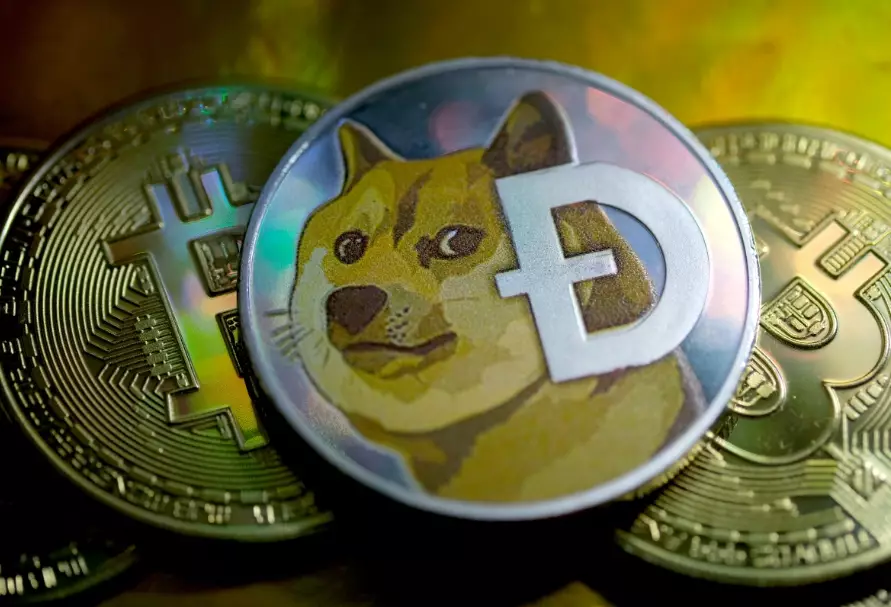
I remember back in 2020, Dogecoin was trading below a cent. Then, social media hype, partly driven by figures like Elon Musk, sent it soaring. By 2021, it hit an all-time high near $0.74. That kind of volatility isn't for the faint-hearted. If you're considering Dogecoin, understanding its price dynamics is key to avoiding costly mistakes.
Key Factors Influencing Dogecoin Price
Dogecoin's price isn't driven by earnings reports or dividends. Instead, it's a mix of technical, social, and macroeconomic factors. Let's break them down.
Market Sentiment and Social Media Impact
Social media is a huge driver. Platforms like Twitter and Reddit can create viral moments that spike demand. For example, when Elon Musk tweets about Dogecoin, the price often jumps within minutes. But here's the catch: these spikes are usually short-lived. I've seen traders get burned by buying at the peak, only to watch the price drop 30% in a day. To gauge sentiment, tools like LunarCRUSH track social volume and engagement. If sentiment is overly bullish, it might be a sign of a bubble.
Technological Developments and Adoption
Dogecoin's technology is relatively simple compared to Ethereum, but updates matter. The shift to proof-of-stake or integration with payment systems can boost price. For instance, when Tesla briefly accepted Dogecoin for merchandise, it added legitimacy. However, adoption is slow. Most merchants still prefer Bitcoin or stablecoins. From my experience, technological news has a moderate impact unless it's a major upgrade that improves scalability or security.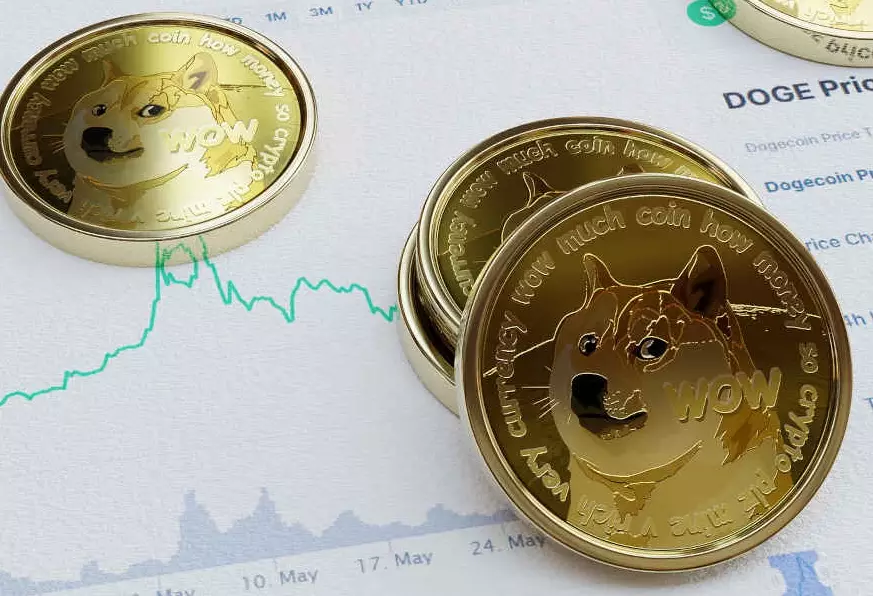
Macroeconomic Factors
Crypto doesn't exist in a vacuum. Interest rate changes by the Federal Reserve can affect liquidity in the market. When rates rise, investors might pull money from risky assets like Dogecoin. Inflation data also plays a role; during high inflation, some view crypto as a hedge, but Dogecoin's correlation with Bitcoin means it often moves with the broader market. Check reports from sources like the U.S. Bureau of Labor Statistics for economic indicators.
Pro tip: Don't ignore on-chain metrics. Sites like CoinMetrics provide data on transaction counts and active addresses. A rise in active addresses often precedes price increases, as it signals real usage rather than pure speculation.
How to Analyze Dogecoin Price Trends
Analyzing Dogecoin price requires a blend of technical and fundamental analysis. Here's a practical approach.
Technical Analysis Tools
Technical analysis involves studying price charts and indicators. Common tools include moving averages, RSI, and MACD. For Dogecoin, I focus on the 50-day and 200-day moving averages. When the 50-day crosses above the 200-day, it's a bullish signal. But beware—Dogecoin's volatility can lead to false signals. Use multiple timeframes, like daily and weekly charts, to confirm trends. I once relied solely on hourly charts and got whipsawed during a news event. It's messy.
Fundamental Analysis Considerations
Fundamental analysis looks at intrinsic value. For Dogecoin, this includes adoption rates, developer activity, and community growth. Check GitHub for code updates and social media for community engagement. A shrinking community might indicate declining interest. Also, monitor trading volumes on exchanges; high volume during price rises suggests strong buying pressure. Refer to data from CoinGecko for comprehensive metrics.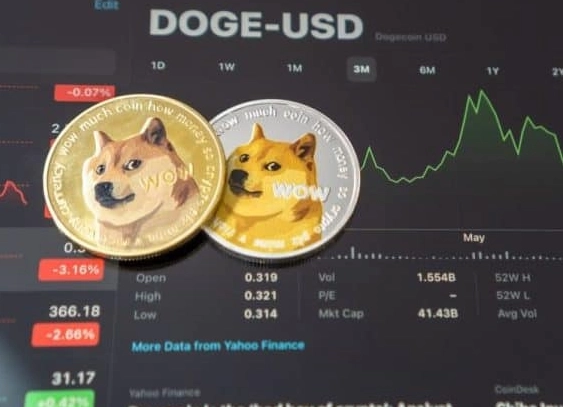
| Factor | Impact on Price | How to Monitor |
|---|---|---|
| Social Media Hype | Short-term surge, often volatile | Tools like LunarCRUSH, Twitter trends |
| Technological Updates | Moderate long-term effect | GitHub repositories, official announcements |
| Macroeconomic News | Broad market influence | Federal Reserve reports, inflation data |
| Trading Volume | Confirms price movements | Exchange data from Binance or Coinbase |
This table summarizes key factors, but remember, Dogecoin's price is often irrational. I've seen it ignore good news and crash on a random rumor. Always cross-reference sources.
Common Mistakes When Investing in Dogecoin
New investors often make the same errors. Let's highlight a few to save you trouble.
Chasing hype without a plan. Buying Dogecoin because it's trending on Reddit is a recipe for losses. I did this early on and lost 20% in a week. Instead, set clear entry and exit points before investing.
Ignoring diversification. Putting all your money into Dogecoin is risky. Its price can swing 50% in a month. Allocate a small portion, say 5-10% of your crypto portfolio, to meme coins.
Overlooking transaction fees. Dogecoin has low fees compared to Ethereum, but on some exchanges, withdrawal fees can eat into profits. Check fee structures on platforms like Kraken before trading.
Failing to use stop-loss orders. Volatility can wipe out gains quickly. Set a stop-loss at 10-15% below your purchase price to limit downside. I learned this after a sudden drop erased my profits from a previous rally.
Practical Investment Strategies for Dogecoin
Here are actionable strategies based on different risk profiles.
For conservative investors: Use dollar-cost averaging. Invest a fixed amount, like $50 monthly, regardless of price. This smooths out volatility and reduces the risk of buying at a peak. Over time, you'll accumulate Dogecoin at an average cost. It's boring but effective.
For active traders: Focus on swing trading. Identify support and resistance levels on charts. Buy near support (e.g., $0.10 if it holds) and sell near resistance (e.g., $0.15). Keep trades short-term, as Dogecoin's trends can reverse quickly. Use technical indicators like RSI to avoid overbought conditions.
For long-term holders: Look for adoption signals. If major companies start accepting Dogecoin or if there's a significant technological upgrade, it might be worth holding for years. But be prepared for drawdowns; Dogecoin has crashed 80% from its highs before. Only invest money you can afford to lose.
Consider a hypothetical scenario: Jane invests $1,000 in Dogecoin when it's at $0.20. She sets a stop-loss at $0.17 and a take-profit at $0.30. If the price hits $0.30, she sells, making a 50% profit. If it drops to $0.17, she exits with a 15% loss, preserving capital for other opportunities. This disciplined approach beats emotional trading.
Frequently Asked Questions
Wrapping up, Dogecoin's price is a rollercoaster driven by sentiment, technology, and macro trends. Whether you're trading or investing, stay informed, manage risks, and avoid the herd mentality. The crypto market rewards patience and discipline over hype. If you found this guide helpful, share it with others navigating the Dogecoin frenzy.
Reader Comments