Let's be honest. When Dogecoin launched in 2013, it was a joke. A literal joke, poking fun at the wild speculation around Bitcoin. The Shiba Inu dog from the "Doge" meme, an intentionally silly brand, and an infinite supply? It was crypto satire.
But then something strange happened. The joke didn't die. It evolved. Today, Doge crypto is a multi-billion dollar asset with a fiercely loyal community, real-world use cases, and a volatility that can make your head spin. I remember dismissing it entirely back in 2016. A costly mistake in perspective.
This guide isn't about hyping Doge. It's about understanding it. We'll cut through the noise of celebrity tweets and look at what Dogecoin actually is, where you can get it, what it might be worth, and the pitfalls most newcomers completely miss.
What's Inside?
What Doge Crypto Really Is (And Isn't)
Forget the complex white papers for a second. At its core, Dogecoin is a digital currency built on a modified version of the Litecoin blockchain. Its original creators, Billy Markus and Jackson Palmer, wanted to create a fun, friendly alternative to Bitcoin's increasingly serious and technical vibe.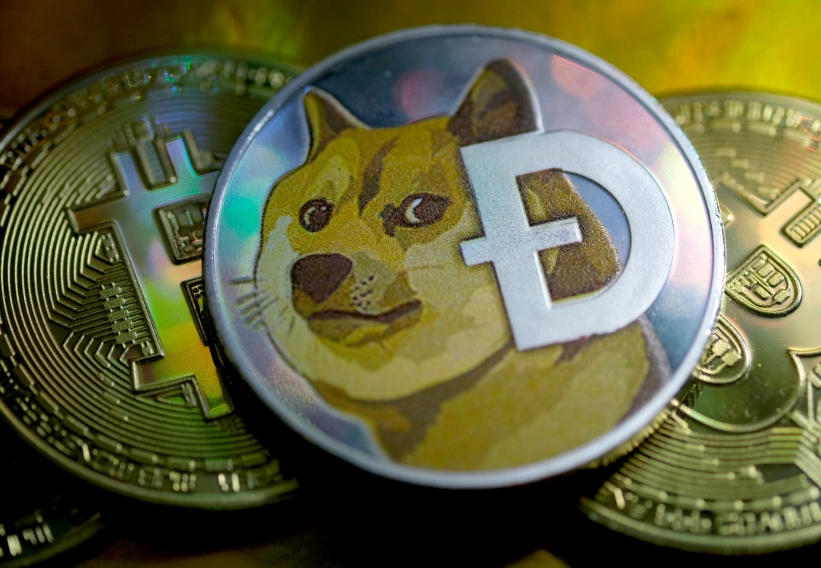
The technical stuff matters, though. Doge uses a Proof-of-Work consensus mechanism, but it's merged-mined with Litecoin. This means Litecoin miners secure both networks simultaneously, making the Dogecoin chain incredibly secure against attacks for its size. A key feature—and a point of debate—is its inflationary supply. While Bitcoin caps at 21 million, 5 billion new Doge are minted each year. That's a fixed amount, so the inflation rate decreases over time.
This is where most analysis gets it wrong. Comparing Doge directly to Bitcoin as a "store of value" is comparing apples to orbital rockets. Doge's value proposition is its community and culture. The "Doge Army" is proactive, charitable (they famously funded the Jamaican bobsled team and a NASCAR driver), and uses the coin for what it was made for: small, quick transactions and tips.
Think of it this way: Bitcoin is the gold bar you lock in a safe. Dogecoin is the loose change in your pocket you use to buy a coffee or throw in a tip jar.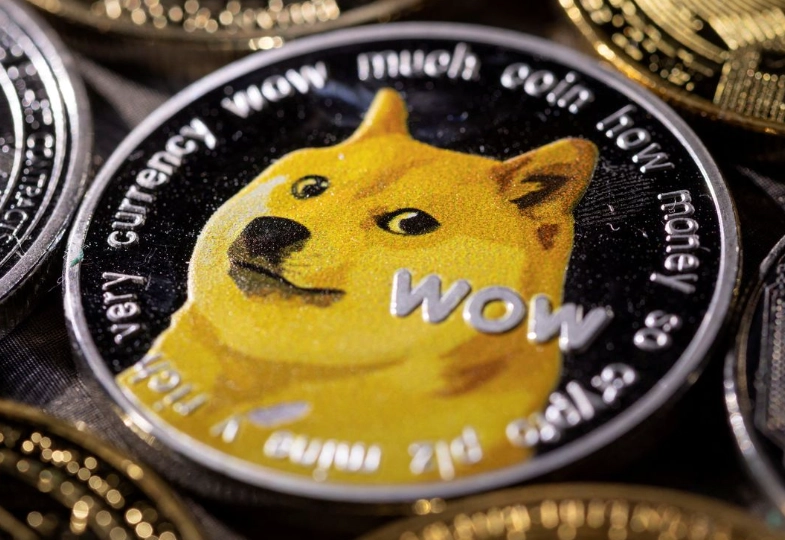
The Utility: Where Can You Actually Spend Doge?
This isn't theoretical. A growing list of businesses accept Dogecoin, often driven by community advocacy. You can use it to:
- Buy merchandise from the Dallas Mavericks online store.
- Pay for subscriptions like Sling TV.
- Purchase electronics from Newegg.
- Tip content creators directly on platforms like Reddit and Twitter through various bots and services.
The transaction is usually faster and cheaper than a Bitcoin transaction. That's the utility argument in action.
How to Buy Dogecoin: A Step-by-Step Walkthrough
Buying Doge is straightforward, but the platform you choose matters. You're looking for low fees, security, and maybe a way to earn interest. Let's break down the main options.
First, you need a place to buy it. Here’s a comparison of the top spots, based on my own experience and constant chatter in crypto forums.
| Platform | Best For | Fees (Approx.) | A Key Point |
|---|---|---|---|
| Coinbase | Absolute beginners | ~1.5% spread + transaction fee | Super simple UI, but fees add up. Good for your first $50 dip. |
| Binance | Active traders & low fees | 0.1% spot trading fee | Huge liquidity, lots of trading pairs. Can be overwhelming for new users. |
| Kraken | Security-focused users | 0.16% maker / 0.26% taker | Excellent reputation and staking options. Interface is less mobile-friendly. |
| Robinhood | Stock traders dabbling in crypto | 0% commission | Big warning: You don't own the actual coins. You can't withdraw them to a wallet. It's just a price bet. |
My personal go-to is a mix. I use Binance for active trading because the fees are hard to beat, but I move the majority of my coins off the exchange immediately. Which brings us to the most critical step.
Step You Cannot Skip: Withdraw to Your Own Wallet
Buying on an exchange like Coinbase means the exchange holds your coins. "Not your keys, not your crypto." If the exchange gets hacked or goes down, your Doge could be gone.
You need a non-custodial wallet. For beginners, a software wallet like Trust Wallet or Exodus is perfect. They're free, easy to use on your phone, and you control the private keys. For larger amounts, a hardware wallet like a Ledger or Trezor is the gold standard.
Here’s the process: Buy Doge on exchange -> Find your Dogecoin deposit address in your personal wallet -> Initiate a withdrawal from the exchange to that address. Yes, there's a small network fee. It's worth every penny for the peace of mind.
Let's make this real. Imagine a user, Alex. Alex wants to use Doge to buy a game from a merchant who accepts it. He wouldn't buy on Robinhood—he can't send the coins. He'd buy on Kraken, pay a small fee, withdraw to his Exodus wallet, and then pay the merchant directly from there. Full control, from start to finish.
Doge Crypto Price: What Does the Future Hold?
Predicting any crypto price is a fool's errand, but we can look at the forces that move Doge. Forget the "to the moon" chatter. Let's talk drivers and ceilings.
The single biggest factor is adoption as a payment method. Every new major merchant that adds Doge is a bullish signal. It increases utility and demand beyond pure speculation. The second factor is the broader crypto market cycle. When Bitcoin and Ethereum run, meme coins like Doge often see amplified gains (and losses). The third is, undeniably, social media sentiment and celebrity mentions. A single tweet can cause a 20% swing in an hour. It's irrational, but it's a reality you must account for.
So, can it hit $1? The math is daunting. At $1, Dogecoin's market capitalization would be over $140 billion. That's in the realm of major traditional companies and other top cryptos. It would require a paradigm shift in how the world views it—from meme to a genuinely widely used internet currency. Possible? Yes. Likely in the next year? Extremely improbable without a massive, sustained global adoption wave.
More realistic scenarios involve gradual growth tied to ecosystem development, punctuated by sharp rallies during bull markets. Analysts from places like CoinMarketCap and CoinGecko often provide price prediction models, but treat them as educated guesses, not gospel.
3 Common Mistakes Every New Doge Holder Makes
I've seen these patterns repeat for a decade. Avoid them.
Mistake 1: Buying the top of a hype cycle. Elon Musk tweets, the price pumps 50% in a day, and people FOMO in. That's usually the peak before a nasty correction. The smart move? Have a plan. Decide on a small monthly investment amount and stick to it (dollar-cost averaging), regardless of the news.
Mistake 2: Treating it like a stock. Doge doesn't have earnings, a P/E ratio, or a CEO. Fundamental analysis in the traditional sense doesn't apply. Your analysis should be on community growth, developer activity (check GitHub for the Dogecoin core repository), and merchant adoption.
Mistake 3: Ignoring the "why." Why do you own Doge? Is it a pure speculative gamble for quick gains? Is it a belief in its long-term utility as an internet tipping currency? Your "why" determines your strategy. If it's the former, you need strict stop-losses. If it's the latter, you can ignore the daily noise. Most people never define this and get whipped around by emotion.
Your Burning Doge Questions Answered
The bottom line? Doge crypto started as a joke but built something real: a passionate community and a functional, low-fee digital currency. It's not for everyone. Its path is tied to culture as much as code. If you get involved, do it with eyes wide open, a clear strategy, and your coins safely in your own wallet. The rest is up to the Shiba.
Reader Comments