Your Quick Navigation
Let's be real for a second. Searching for the "best crypto wallet" feels like trying to find a needle in a digital haystack. One website screams about ultra-security, another promises the smoothest trading experience, and a third says their app is the only one you'll ever need. It's enough to make your head spin. I've been there, clicking through endless comparison charts, my eyes glazing over.
The truth is, there's no single "best" wallet for everyone. What's perfect for a day trader is a nightmare for someone just looking to buy and hold some Bitcoin for five years. The best crypto wallet for you depends entirely on what you're trying to do, how much you own, and honestly, how much you're willing to fiddle with technology.
I lost a small amount of Ethereum years ago because I picked a wallet that was great for experts but terrible for beginners. I didn't back up my seed phrase correctly. A stupid, avoidable mistake. That experience taught me more than any guide ever could. So in this guide, I'm not just listing features. I'm trying to give you the context to make a choice you won't regret. We'll cut through the marketing jargon and look at what actually matters when you're entrusting your digital money to a piece of software or a little hardware gadget.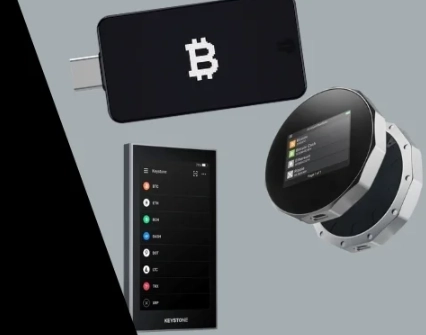
The Great Divide: Hot Wallets vs. Cold Wallets
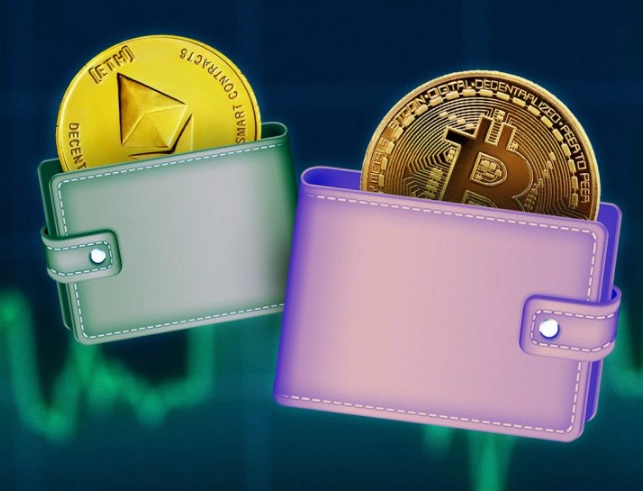
This is the first and most important fork in the road. Your entire strategy hinges on this choice. It's the difference between keeping cash in your pocket (convenient, risky) and locking it in a bank vault (secure, less convenient).
Hot Wallets: Your Everyday Spending Money
Hot wallets are connected to the internet. They include mobile app wallets, desktop software, and most web browser extensions. They're fantastic for active use—trading on an exchange (though exchanges are technically custodial wallets, more on that later), using decentralized apps (DeFi), buying NFTs, or making frequent transactions.
But that constant internet connection is their weakness. It makes them vulnerable to online threats like hackers, phishing attacks, and malware. Think of it as your checking account. You wouldn't put your life savings in there, but it's perfect for daily transactions.
Why You Might Love a Hot Wallet
- Super Convenient: Access your crypto in seconds from your phone or computer.
- DeFi & DApp Ready: Easily connect to platforms like Uniswap or OpenSea.
- Often Free: Most reputable hot wallet apps don't cost a thing to download and use.
- User-Friendly: Generally designed with a better user interface for newcomers.
Why You Might Hate a Hot Wallet
- Security Target: Being online makes it a target. A keylogger on your PC could spell disaster.
- Relies on Device Security: If your phone gets hacked or your laptop gets a virus, your wallet could be compromised.
- Not for "HODLing": Most experts (and I agree) would never recommend storing large, long-term holdings in a hot wallet.
Cold Wallets: Your Digital Safety Deposit Box
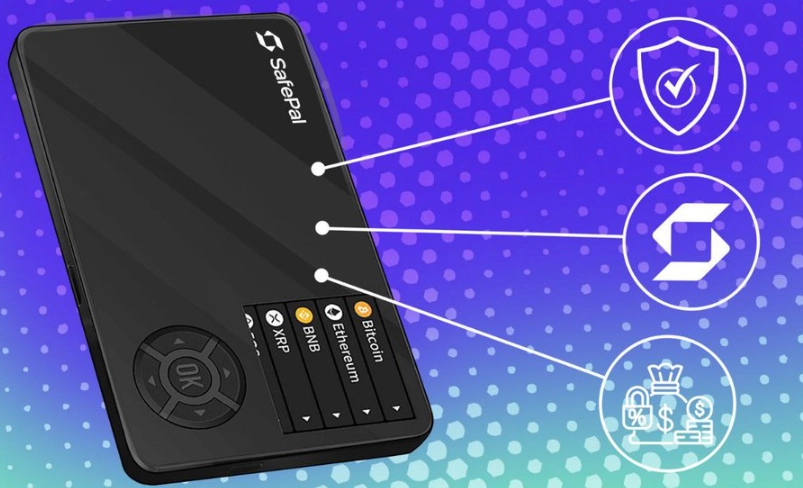
Cold wallets, or hardware wallets, are physical devices (they look like USB sticks or small keypads) that store your private keys offline. They only connect to the internet when you physically plug them in to sign a transaction. The rest of the time, those keys are in a digital fortress, isolated from any online threat.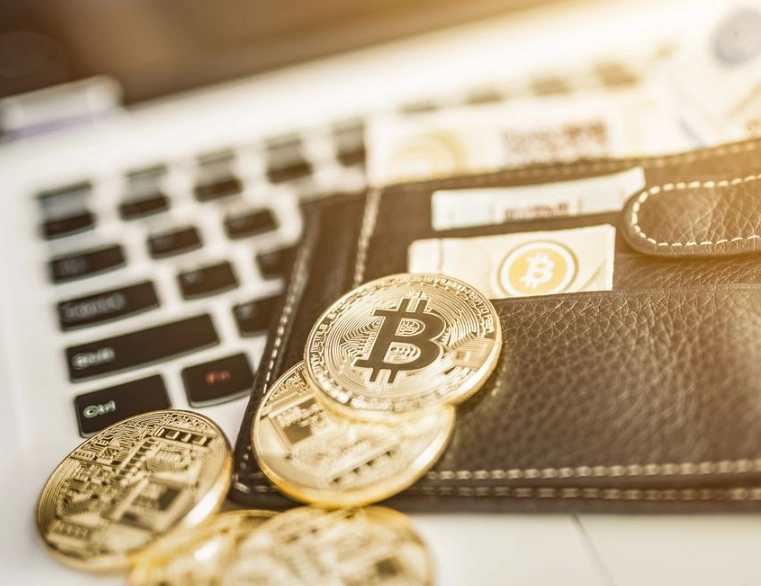
Is it overkill for $50 worth of Dogecoin? Probably. Is it essential for anyone with more than a few thousand dollars in crypto, or anyone planning to hold for the long term? Absolutely. The peace of mind is worth the price of the device (usually between $70 and $200).
If you're serious about crypto, a hardware wallet isn't an accessory; it's a necessity.
I remember setting up my first hardware wallet. It felt clunky. There was a setup process, I had to write down 24 words on a piece of metal (not paper!), and signing transactions took an extra step. But now? I wouldn't have it any other way. Knowing my main stash is safe lets me sleep better at night. For active trading, I still use a hot wallet with a small amount, but the bulk is offline.
| Feature / Consideration | Hot Wallets (Software) | Cold Wallets (Hardware) |
|---|---|---|
| Primary Connection | Permanently connected to the internet | Offline; connects only to sign transactions |
| Best For | Active trading, DeFi, small/medium balances, daily use | Long-term storage ("HODLing"), large balances, maximum security |
| Security Model | Depends on your device's security & your habits | Physical device with secure element chip; immune to remote attacks |
| Cost | Typically free | One-time purchase ($50 - $250) |
| Ease of Use | Generally very easy, like a banking app | Learning curve; requires careful setup and backup |
| Risk of Theft | Higher risk from malware, phishing, exchange hacks | Very low remote risk; physical theft is a concern (but protected by PIN) |
| Example Scenario | Swapping some ETH for a new token on a DEX | Securing Bitcoin you plan to hold for 5+ years |
Deep Dive: Top Contenders for the Best Crypto Wallets
Alright, let's get into the specifics. Here's a breakdown of wallets that consistently come up in the conversation. Remember, this isn't just about listing names. It's about understanding their personality—who they're built for, and where they might let you down.
For the Hardcore HODLer: Hardware Wallet Showdown
If security is your #1, #2, and #3 priority, you're in the hardware wallet aisle. Two names dominate this space, and for good reason.
Ledger (Nano S Plus / Nano X)
Ledger is probably the most recognized name in cold storage. Their devices, like the Nano X, are sleek, support a massive number of coins (over 5,500), and their companion app, Ledger Live, is quite polished. It lets you manage your portfolio, buy crypto, and even stake some assets directly from a relatively secure environment.
But... Ledger had a controversy. They announced (then backtracked on) a service called "Ledger Recover," a subscription-based seed phrase backup. It sparked a huge debate about trust and the very principle of hardware wallets—self-custody. For some in the community, the trust was damaged. Technically, their devices are still top-tier, using a secure element chip. But that incident is worth knowing. It's a reminder that you're trusting a company, not just a device. You can learn more about their security architecture directly from their official website.
Trezor (Model T / Model One)
Trezor, by SatoshiLabs, is the other giant. They have a strong reputation as open-source pioneers. Both their hardware and software are open for anyone to inspect—a huge plus for transparency and security purists. The Trezor Model T has a touchscreen, which is nicer for entering your PIN and passphrase than clicking buttons.
Their downside? Some find their interface, Trezor Suite, a bit less intuitive than Ledger Live. Also, because their physical design is simpler, they are theoretically vulnerable to a specific, advanced physical attack if someone steals the device (though this requires expertise and physical access—not a concern for most). For the average user, the open-source nature is a massive benefit. You can dive into their philosophy and code on the Trezor official site.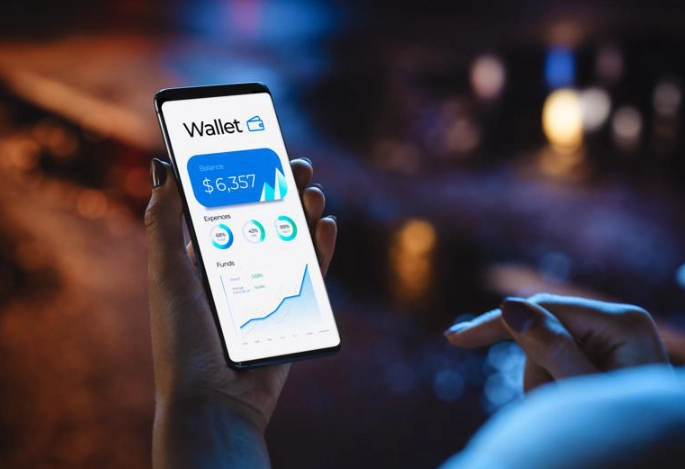
For the Active Trader & DeFi User: Software Wallet Champions
When you need to move fast and connect to anything, these are the best crypto wallets for the job.
MetaMask
This is the king of the Ethereum ecosystem. It's a browser extension and mobile app that is the gateway to 90% of DeFi and the NFT world. Want to use Uniswap, lend on Aave, or buy a Bored Ape? You'll need MetaMask. It's incredibly powerful and integrates everywhere.
The catch? It's only for Ethereum and Ethereum-compatible chains (like Polygon, Arbitrum, BNB Smart Chain). Don't try to send Bitcoin to it. Also, its power makes it a prime target for phishing. Fake websites constantly try to trick you into approving malicious transactions. You have to be vigilant. It's a hot wallet, so only keep what you're actively using in it. The MetaMask website is the only place you should ever download it from.
Exodus
Exodus wins the award for best-looking wallet, hands down. Its interface is beautiful, intuitive, and shows your portfolio in a very satisfying way. It's a great multi-asset hot wallet for desktop and mobile, supporting a wide range of coins. It even has a built-in exchange function (powered by third parties).
My gripe? It's a closed-source wallet. You can't audit the code yourself. For a hot wallet holding significant funds, that makes some security-conscious folks nervous. It's also quite feature-rich, which can be overwhelming. But for a beginner wanting a beautiful, all-in-one place to manage a diverse portfolio, it's a fantastic starting point.
Trust Wallet
Owned by Binance (but non-custodial), Trust Wallet is a mobile-first powerhouse. It supports a ridiculous number of blockchains and has a built-in Web3 browser to access DApps directly from your phone. It's become a favorite for those deep in the Binance Smart Chain ecosystem and beyond.
The connection to Binance is a double-edged sword. It gets great integration and support, but if you're ideologically opposed to big exchanges, you might look elsewhere. I find its interface a bit cluttered, but it's incredibly capable. You can check its extensive asset list on the Trust Wallet site.
How to Actually Choose: Your Personal Decision Matrix
Forget about finding a universally perfect option. Ask yourself these questions instead.
- "I'm buying Bitcoin to hold for a decade." → Your path is simple. Buy a reputable hardware wallet (Trezor or Ledger), set it up, transfer your coins, and store the device and seed phrase in separate, safe places. Done. These are arguably the best bitcoin wallets for this purpose.
- "I want to explore DeFi and trade altcoins." → You need a robust hot wallet like MetaMask. Start with a small amount to learn the ropes. Consider a hardware wallet later to secure your profits.
- "I just want a simple place to hold a few different coins." → A user-friendly multi-asset hot wallet like Exodus or Trust Wallet is a great start.
Be honest. If terms like "seed phrase," "gas fee," and "network" make you nervous, start with the simplest option. Exodus has a great UI. Even a hardware wallet like the Ledger Nano S Plus has a guided setup. Jumping straight into MetaMask and DeFi can lead to costly errors if you're not careful.
This is the biggest factor. A common rule of thumb: If the value is more than you'd be comfortable carrying in cash in your backpack, it belongs in cold storage. Would you walk around with $10,000 in your pocket? Probably not. Don't do the digital equivalent.
Your wallet choice should evolve as your portfolio grows.
Non-Negotiable Security 101 (Skip This at Your Peril)
Picking one of the best crypto wallets is only half the battle. Using it stupidly will still get you hacked. These rules are not suggestions.
- The Seed Phrase is Sacred. Those 12, 18, or 24 random words generated when you set up your wallet ARE YOUR MONEY. Anyone with those words can steal everything, from any wallet derived from them. Never type them into a computer or phone. Never take a digital photo of them. Write them on the provided recovery sheet or, better yet, on a fire/water-resistant metal backup plate. Store them in a safe or safety deposit box. This is the most important thing you will do.
- Beware of Phishing. 99% of attacks are social engineering. Fake emails from "Ledger Support," fake websites that look like MetaMask, fake Discord admins asking for your seed phrase to "verify" your wallet. Legitimate companies will NEVER ask for your seed phrase or private keys. Ever. Always double-check URLs.
- Use All Available Security Features. Enable a strong PIN on your hardware wallet. Use a strong, unique password for your software wallets. If the wallet offers multi-signature (multisig) functionality for large sums, look into it. It requires multiple approvals for a transaction, like a digital safety deposit box needing two keys.
- Keep Software Updated. Wallet updates often contain critical security patches. Don't ignore them.
Answering Your Burning Questions (FAQ)
Let's tackle the real questions people Google after "best crypto wallets."
No device is 100% unhackable. But a hardware wallet like a Ledger or Trezor raises the bar astronomically high. A hacker would need to physically steal your device, know your PIN, and (in some cases) perform a sophisticated lab attack. It protects you from the vast majority of remote attacks that plague hot wallets. For practical purposes, if you use it correctly, it's as close to unhackable as it gets for an individual.
Often, yes. Many software wallets (Exodus, Trust Wallet) offer synchronized desktop and mobile versions. For hardware wallets, you can connect the same physical device to multiple computers with the companion software (Ledger Live, Trezor Suite). Your keys stay on the device.
This is the beauty of the seed phrase. No! Your crypto is on the blockchain. Your wallet is just an access device. As long as you have your seed phrase backed up safely, you can buy a new hardware wallet (or use a compatible software wallet), enter your old seed phrase, and regain full access to your funds. This is why the seed phrase backup is everything.
Most non-custodial software wallets are free: MetaMask, Exodus, Trust Wallet, Phantom (for Solana). The "best" depends on your chain of choice. For Ethereum/DeFi, MetaMask is the standard. For a multi-coin beginner experience, Exodus is hard to beat. Remember, "free" doesn't mean worse—they make money through other means, like swap fees or optional services.
Great point. While multi-chain wallets support many assets, some ecosystems have dedicated wallets that offer the best experience. For Solana, Phantom (browser extension & mobile) is phenomenal and arguably the best crypto wallet for that chain. For Cardano, Eternl or Typhon are popular. For Bitcoin purists, Blockstream Green is a fantastic, focused wallet with advanced features like multisig. Always check the official project channels for recommended wallets, like the Solana ecosystem page or the Bitcoin.org wallet list.
The Final Word: It's a Journey, Not a Destination
Look, the landscape of best crypto wallets changes. New ones emerge, old ones get updates. The core principles don't: understand the hot vs. cold trade-off, prioritize security for long-term holdings, and never, ever compromise on safeguarding your seed phrase.
Start simple. If you're new, download a reputable hot wallet, transfer a small amount, and get the feel of it. Learn how to send and receive. Feel the anxiety of waiting for a transaction to confirm (we all get it). Once your investment justifies it, graduate to a hardware wallet. It's a natural progression.
The best wallet isn't the one with the most features; it's the one you understand how to use securely and that fits your actual life and goals. Take your time, do your research, and remember—in crypto, you are your own bank. That's the power and the responsibility. Choose your vault accordingly.
Reader Comments