You've got some ETH on Ethereum. A hot new DeFi app is launching on Solana. Or maybe you want to move USDC to pay lower fees on Polygon. A few years ago, you were stuck. Today, you use a cross-chain bridge. It sounds simple—send crypto from Chain A to Chain B. But under the hood, it's a fascinating and sometimes risky dance of cryptography, economics, and smart contracts.
I remember the first time I used one. It was to bridge some assets to Avalanche. The transaction confirmation popped up, and then... silence for twenty minutes. My stomach dropped. Had I just lost everything? That anxiety is common, and it usually stems from not understanding what's actually happening when you click "Bridge."
Let's fix that.
Your Quick Navigation Guide
What Exactly Is a Cross-Chain Bridge Doing?
A cross-chain bridge isn't a magical teleporter. It's a set of protocols and smart contracts that lock your assets on one blockchain and create a representative version of them on another.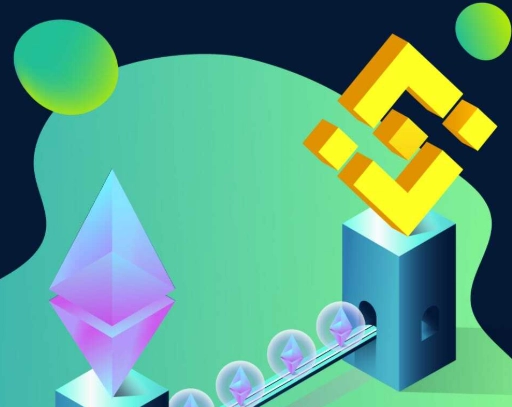
Think of it like depositing gold in a vault in New York and getting a gold certificate you can trade in London. The gold (your original crypto) stays put. The certificate (the bridged asset) is what moves and gets used. The bridge is the trusted entity managing the vault and issuing the certificates.
This solves the core problem of blockchain isolation. Bitcoin doesn't know what Ethereum is. Solana can't read Polygon's state. Bridges build the communication layer between these isolated islands, enabling:
Asset Transfer: Moving tokens like USDC, ETH, or WBTC.
Interoperability: Letting dApps on one chain use assets or data from another.
Scalability: Shifting assets to faster, cheaper chains (like going from Ethereum to a Layer 2).
The Two Main Types: How Bridges Actually Move Your Crypto
Bridges mainly work in two ways, and the difference is crucial for understanding trust and speed.
1. Lock-and-Mint (or Lock-and-Unlock) Bridges
This is the most common model for moving assets between major, independent chains (like Ethereum to Polygon).
- You send your 1 ETH to a smart contract on Ethereum. It's locked away.
- The bridge's "oracle" or "validator" network confirms the lock-up.
- A minting contract on Polygon creates 1 "Wrapped ETH" (WETH.e or similar).
- This wrapped ETH is sent to your Polygon address.
To go back, you burn the wrapped ETH on Polygon, the validators confirm the burn, and the original ETH is released from the Ethereum contract.
Who you trust: The validator set. Are they a decentralized group? A federation? A single company? This is the central security question. The Polygon PoS Bridge uses a decentralized set of Heimdall validators, for instance.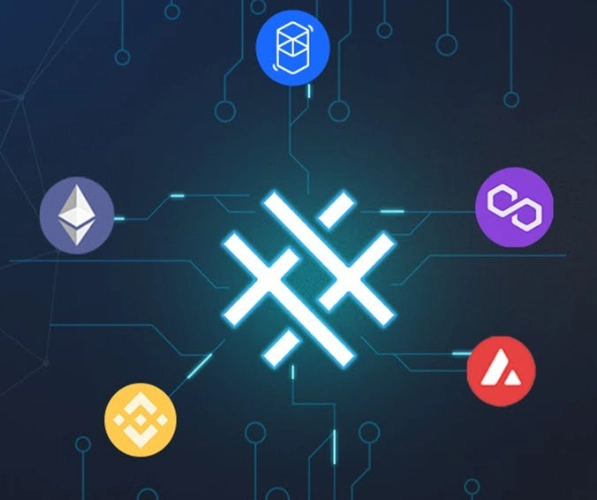
2. Liquidity Network Bridges
These bridges don't lock and mint. Instead, they use pools of liquidity on both chains.
- You want to send 1 ETH from Ethereum to Arbitrum.
- The bridge finds a liquidity provider (LP) on Arbitrum who has ETH and wants Ethereum ETH.
- You send your ETH to the LP on Ethereum.
- The LP on Arbitrum sends you their ETH directly.
It's like a peer-to-peer atomic swap facilitated by a network. Hop Protocol and Across Protocol popularized this model.
Who you trust: The cryptography of the protocol (for atomic swaps) and the liquidity providers. Speed is often the advantage here—transfers can be near-instant.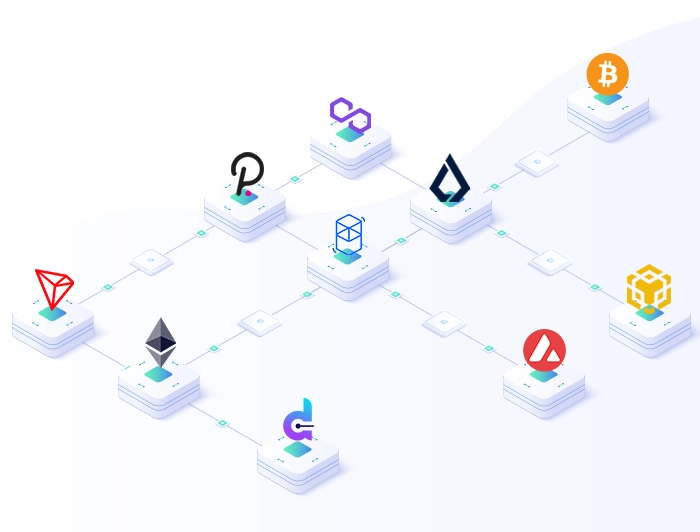
| Bridge Type | Mechanism | Speed | Trust Assumption | Example Bridges |
|---|---|---|---|---|
| Lock-and-Mint | Locks asset on Chain A, mints wrapped version on Chain B. | Slower (5 mins - several hours) | Validator/Oracle Network Security | Polygon Bridge, Wormhole, Multichain |
| Liquidity Network | Uses liquidity pools for instant swaps between chains. | Very Fast ( | Protocol Cryptography & LP Solvency | Hop Protocol, Across, Stargate |
| Native (Official) Bridges | Often Lock-and-Mint, built by the chain's core team. | Varies | The Chain's Security Itself | Arbitrum Bridge, Optimism Gateway |
A subtle point most miss: "Official" bridges for Layer 2s (like the Arbitrum Bridge) are often the safest route to that specific chain because they're built and maintained by the core devs. But they're usually only for moving assets between the L1 and that one L2. Third-party bridges like those in the table above connect many more chains.
The Real Risks: It's More Than Just Hacks
Everyone talks about the hacks. The Ronin Bridge ($625M), Wormhole ($326M), Poly Network ($611M). Smart contract risk is massive. But it's not the only pitfall.
Censorship Risk: Can the bridge's operators freeze or reverse your transaction? A more centralized bridge might do this for "compliance," which defeats the purpose of crypto.
Liquidity Risk: Can you get your assets back? If you bridge a niche token to a chain where no one wants it, you might not have enough liquidity to swap it back or bridge it out. You're stranded.
Wrap Risk: Your wrapped BTC (wBTC) on Polygon is only as good as the custodian holding the real BTC. If that custodian gets hacked or goes rogue, your wBTC depegs.
User Error: Sending to the wrong address, choosing the wrong destination network in your wallet—these mistakes are permanent. Bridges don't have customer service to reverse them.
I once saw someone try to bridge USDC from Ethereum to Polygon, but they selected "MATIC" as the receiving token. They got MATIC tokens worth the dollar amount, but it wasn't the USDC they wanted. The transaction succeeded, but their intent failed.
How to Choose a Bridge: A Practical Checklist
Don't just Google "best bridge." The best bridge depends on your specific route and priorities. Ask these questions:
1. What chains am I connecting? Some bridges specialize. Wormhole is great for Solana-Ethereum. Celer is strong in the Cosmos ecosystem. Check supported networks first.
2. What's the Total Value Locked (TVL)? Higher TVL generally indicates more usage and, arguably, more security scrutiny. Use DeFiLlama to compare. But remember, high TVL also makes a juicier target.
3. How decentralized is it? Look for information on the validator set. Is it permissionless? Who runs the oracles? The more decentralized, the lower the censorship and single-point-of-failure risk.
4. What's the audit history? Has it been audited by top firms like Trail of Bits, OpenZeppelin, or CertiK? Have the audits been recent? Are there any known, unresolved critical issues?
5. What are the real costs? Look beyond the bridge fee. You'll pay gas on the source chain to send, and gas on the destination chain to claim. A "cheap" bridge to a high-gas chain might not be cheap overall.
My personal rule: For large sums (>$10k), I often use the official chain bridge (e.g., go from Ethereum to Arbitrum via the official Arbitrum Bridge) even if it's slower, then use a fast liquidity bridge for smaller moves between L2s.
A Step-by-Step Walkthrough (With Mental Checks)
Let's bridge 0.1 ETH from Ethereum Mainnet to Polygon PoS using the Polygon Bridge.
Step 1: Connect Your Wallet
Go to the official bridge UI (wallet.polygon.technology/bridge). Connect your MetaMask. Ensure MetaMask is set to the "Ethereum Mainnet" network.
Step 2: Select Assets and Amount
Select "ETH" as the asset. Enter 0.1. Select "Polygon Mainnet" as the destination. The UI shows you an estimated fee and the amount you'll receive. Mental Check: Is the received amount roughly 0.1 ETH minus fees? Yes. Good.
Step 3: The Two Transactions
You'll approve and sign two transactions.
TX1 (on Ethereum): This locks your ETH in the Polygon smart contract. This is the expensive one, paying Ethereum gas. After this, you wait. The bridge validators need time to confirm.
TX2 (on Polygon): Once the waiting period (often ~20-30 mins) is over, you'll need to switch your MetaMask to the "Polygon Mainnet" network and sign a second, cheap transaction to claim your wrapped ETH (WETH) on Polygon.
The common stumble: People do TX1, see it succeed, and think they're done. They don't realize they need to switch networks and submit TX2 to claim the funds. The funds are waiting, but you must claim them.
Step 4: Verify on an Explorer
After TX2, go to polygonscan.com and paste your address. You should see the WETH balance. You can now swap it for MATIC or USDC on a Polygon DEX like Quickswap.
Your Bridge Questions, Answered
The multi-chain world is here. Cross-chain bridges are its essential plumbing. They're powerful, complex, and carry unique risks. Understanding how they work—really work, beyond the marketing—is the difference between confidently expanding your crypto horizons and becoming another cautionary tale. Start small, do your checks, and always know which part of the system you're ultimately trusting.
Reader Comments