Let's be real—crypto is wild. Bitcoin swings 10% in a day, and that's normal. But what if you need stability? Enter stablecoins. They're the glue holding crypto together, letting people trade, save, and pay without sweating every price tick. I've been in crypto since 2014, and trust me, stablecoins changed everything. This guide cuts through the hype to show you how they work, why they matter, and the pitfalls everyone misses.
Here's What We'll Cover
What Are Stablecoins Really?
A stablecoin is a cryptocurrency pegged to a stable asset, usually the US dollar. Think of it as digital cash on a blockchain. Unlike Bitcoin, its value shouldn't bounce around. You use it to move money fast without banks slowing things down.
I remember trying to send $500 overseas in 2016—it took days and cost $30. With stablecoins, that's a 5-minute, $0.50 job. They bridge traditional finance and crypto, making things like lending and payments actually work.
Key point: Stablecoins aren't just for traders. Freelancers, businesses, and even gamers use them to avoid currency hassles.
The Three Main Types of Stablecoins
Not all stablecoins are built the same. Here's the breakdown from my experience.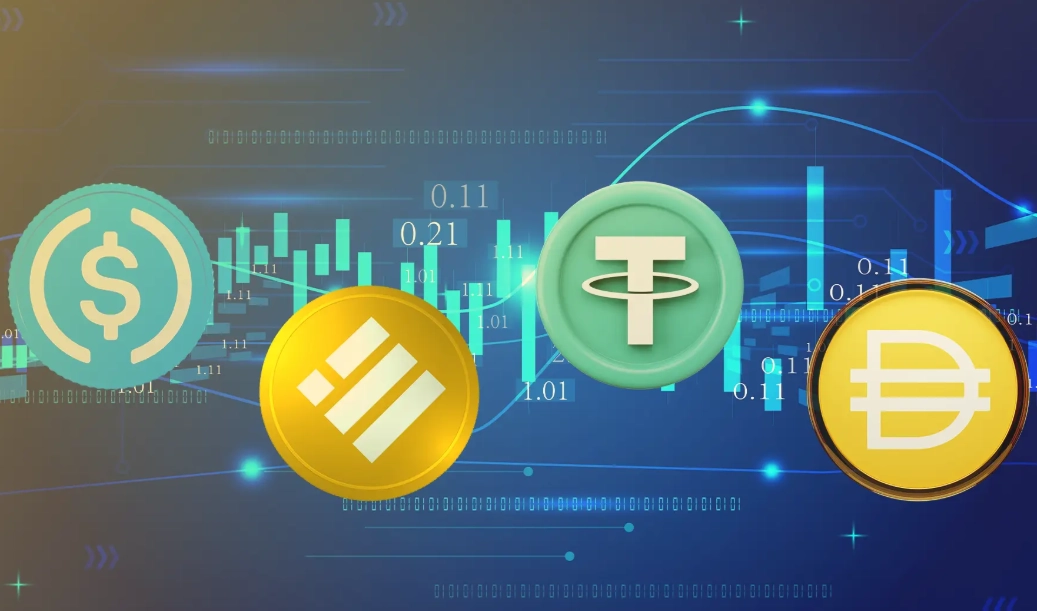
Fiat-Collateralized Stablecoins
These are backed by real money in a bank. For every token, there's a dollar sitting somewhere. USDC and USDP are examples. They're simple but rely on trust in the issuer. If the bank fails, you're in trouble—seen it happen with small issuers.
Crypto-Collateralized Stablecoins
Backed by other cryptocurrencies, like Ethereum. DAI is the big one here. It's over-collateralized, meaning you lock up more crypto than the stablecoin's value to absorb price swings. Decentralized and cool, but complex. I lost some funds once when collateral liquidated during a market crash.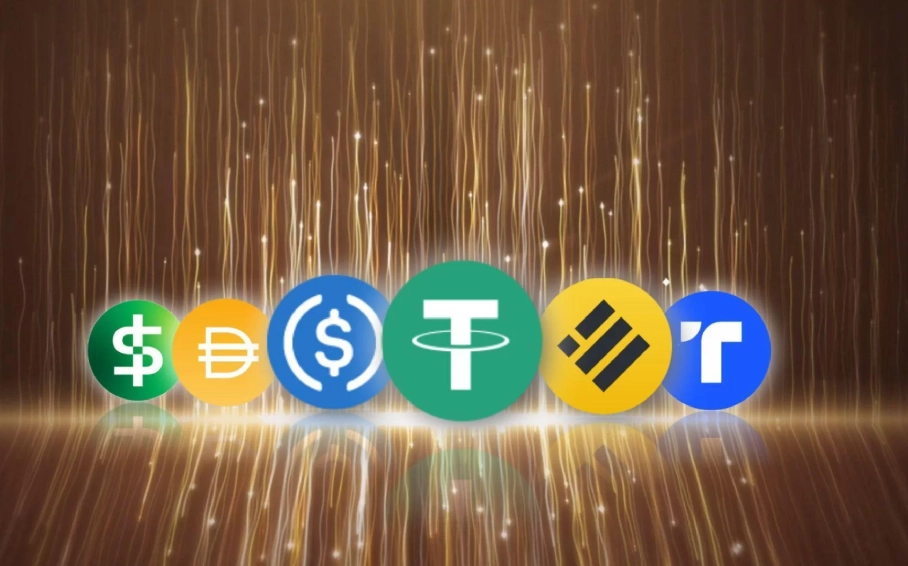
Algorithmic Stablecoins
These use code to control supply and demand, no collateral. Sounds smart, but they're risky. Terra's UST collapsed in 2022, wiping out billions. I'd avoid them for anything serious—they're more experiment than utility.
| Type | Example | Pros | Cons |
|---|---|---|---|
| Fiat-Collateralized | USDC, USDP | Stable, regulated | Centralized, bank risk |
| Crypto-Collateralized | DAI | Decentralized, transparent | Complex, volatile collateral |
| Algorithmic | (Historical: UST) | No collateral needed | High failure risk |
Why Stablecoins Matter Beyond Trading
Everyone talks trading, but stablecoins do more. In DeFi, they're the backbone—you lend USDC to earn interest without a bank. I've gotten 5% APY, way better than my savings account.
For payments, they're a game-changer. A friend runs an online store and accepts USDC to avoid credit card fees. Cross-border remittances? Stablecoins cut costs from 7% to near zero. The World Bank notes this potential in reports on digital payments.
And let's not forget hedging. When crypto tanks, moving to a stablecoin saves your portfolio. I did this during the 2018 crash and slept better.
How to Choose the Best Stablecoin for You
Picking one isn't one-size-fits-all. Here's my framework after years of trial and error.
- For safety: Go with audited fiat-backed coins like USDC. Check Circle's reserves reports—they're public.
- For DeFi use: DAI is solid, but watch Ethereum gas fees. Sometimes, USDC on Polygon is cheaper.
- For speed: Stablecoins on Solana or Stellar settle in seconds. Great for micro-payments.
Avoid Tether (USDT) if transparency worries you. Their reserves have been fuzzy, though they're improving. I keep a mix: 60% USDC, 30% DAI, 10% in niche ones for testing.
Pro tip: Never hold all your crypto in one stablecoin. Diversify across types and blockchains to spread risk.
The Risks Nobody Talks About
Stablecoins aren't risk-free. Depegging is the big one—when the value slips from $1. USDT dropped to $0.95 during a bank run in 2023. If you held a lot, that hurt.
Regulation is a wild card. The SEC might crack down, as seen with ongoing cases. I've seen exchanges delist stablecoins overnight, freezing funds.
And counterparty risk: if the issuer goes under, your tokens could vanish. Remember Basis Cash? It folded quietly. Always use reputable issuers and check their legal status.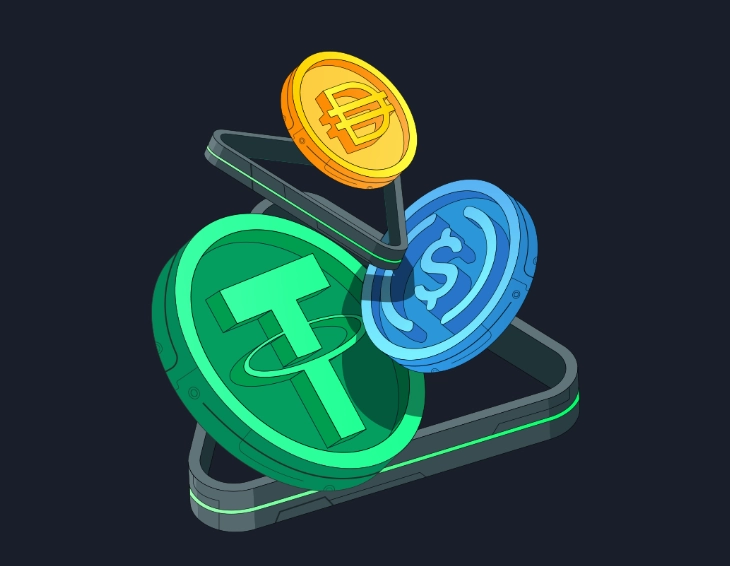
The Hidden Cost of Gas Fees
On Ethereum, moving USDC can cost $10 during congestion. I learned this the hard way sending small amounts. Use layer-2 solutions or cheaper chains for daily stuff.
Where Stablecoins Are Headed Next
Central bank digital currencies (CBDCs) are coming—China's already testing. They might compete with private stablecoins. But I doubt they'll replace them; CBDCs are more about control.
Tokenization of real-world assets, like real estate, will use stablecoins as settlement. Imagine buying a fraction of a building with USDC. Projects are already doing this.
And interoperability: stablecoins moving seamlessly across chains. Polkadot and Cosmos are working on it. This could reduce fragmentation and make things smoother.
Your Burning Questions Answered
Stablecoins are more than a crypto tool—they're reshaping finance. Whether you're trading, paying, or saving, understanding them lets you navigate the chaos. Start with a small test, learn the ropes, and always stay skeptical of too-good-to-be-true yields.
Reader Comments