Let's cut through the noise. Bitcoin payment isn't just for buying pizza anymore or a theoretical concept for the distant future. It's a functioning, albeit evolving, payment system used by thousands of businesses and millions of individuals worldwide. But is it right for you? The answer isn't a simple yes or no. It depends entirely on your goals—whether you're a freelancer tired of international wire fees, a business owner looking for a competitive edge, or just a curious user.
The real story isn't about replacing your credit card tomorrow. It's about understanding a new financial tool that excels in specific scenarios where traditional systems fall short.
What You'll Learn Inside
- How a Bitcoin Payment Actually Works (Step-by-Step)
- The Real Business Case: When Bitcoin Payments Shine
- Getting Started: A Practical Roadmap for Businesses
- For Users: Sending a Payment Without Sweating
- The Fee Debate: Bitcoin vs. Traditional Payments
- Common Pitfalls and How to Avoid Them
- Your Burning Questions Answered
How a Bitcoin Payment Actually Works (Step-by-Step)
Forget complex mining explanations for a second. From a user's perspective, a Bitcoin payment is surprisingly straightforward, but the mechanics under the hood are what make it special.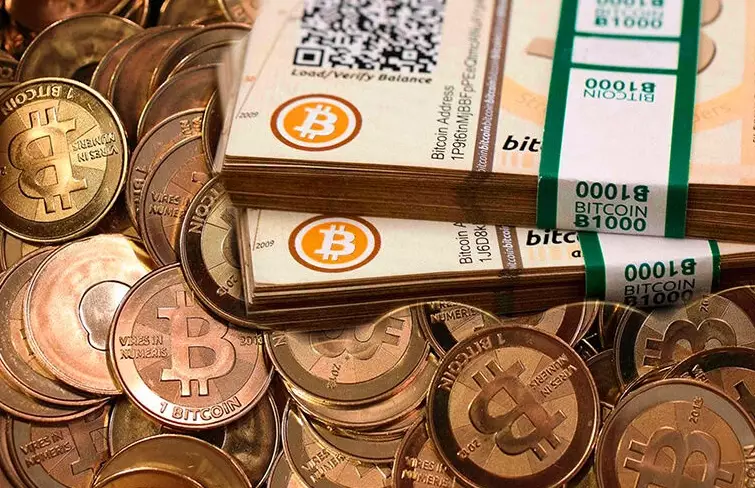
Step 1: The Invoice. A merchant using a service like BitPay or Coinbase Commerce generates a payment request. This isn't just an amount. It's a specific amount in Bitcoin, tied to a unique Bitcoin address and often a QR code. Crucially, the amount is locked to the current exchange rate for a short window (e.g., 15 minutes). This protects the merchant from price volatility during the payment process.
Step 2: The Send. You, the customer, open your Bitcoin wallet (e.g., Electrum, BlueWallet, or a hardware wallet like Ledger). You scan the QR code or copy the address. You input the exact amount, review the network fee (more on that later), and hit send. Your wallet creates a digital signature, proving you own the coins, and broadcasts this "signed transaction" to the Bitcoin network.
Step 3: The Wait (The "Confirmations"). This is the part that feels different. The transaction sits in the "mempool," a waiting room for unconfirmed transactions. Miners pick it up, bundle it into a block, and through proof-of-work, add that block to the blockchain. Each subsequent block added on top is a "confirmation." Most merchants wait for 1-3 confirmations for smaller items, which can take 10 to 60 minutes. For a car? They might wait for 6. This is the settlement period, replacing the 2-5 day ACH or wire settlement.
Step 4: Completion. The merchant's payment processor detects the confirmed transaction on the blockchain. The invoice is marked as paid, and the goods are released or the service is confirmed.
The Real Business Case: When Bitcoin Payments Shine
Adopting Bitcoin isn't about being cool. It's about solving real problems. Here’s where it delivers undeniable value.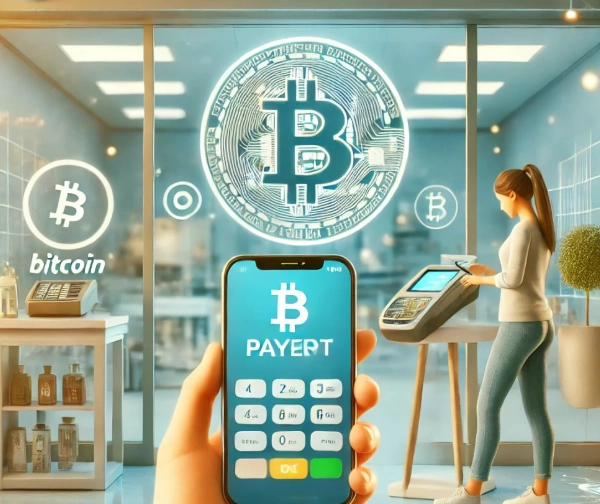
1. Cross-Border Commerce Without the Headache
This is Bitcoin's killer app for business. Try invoicing a client in Argentina or Nigeria via traditional banking. You'll face SWIFT fees (€30-€50), correspondent bank fees, unfavorable exchange rates, and a 3-7 day wait. The client faces capital controls and paperwork.
A Bitcoin payment? It arrives in an hour, with a network fee often under $2. The value is the same in Lagos, London, or Lima the moment it's confirmed. For digital service providers, SaaS companies, and freelancers with a global clientele, this is a game-changer. I've seen consultants lose deals because the banking friction was too high for their international clients. Bitcoin removes that friction entirely.
2. Final Settlement, Not a Reversible Promise
Credit card payments are promises of money, not final settlement. A customer can do a chargeback 60, 90, even 180 days later for a myriad of reasons—legitimate fraud or just "buyer's remorse." This creates risk and accounting uncertainty for merchants, especially in high-risk or digital goods categories.
A confirmed Bitcoin transaction is final. There is no chargeback mechanism on the blockchain. This transfers the fraud prevention burden upstream to the merchant's own customer verification (KYC) processes, but for the right business model, it eliminates a major cost center and risk. Think high-value B2B services, luxury goods, or any industry plagued by friendly fraud.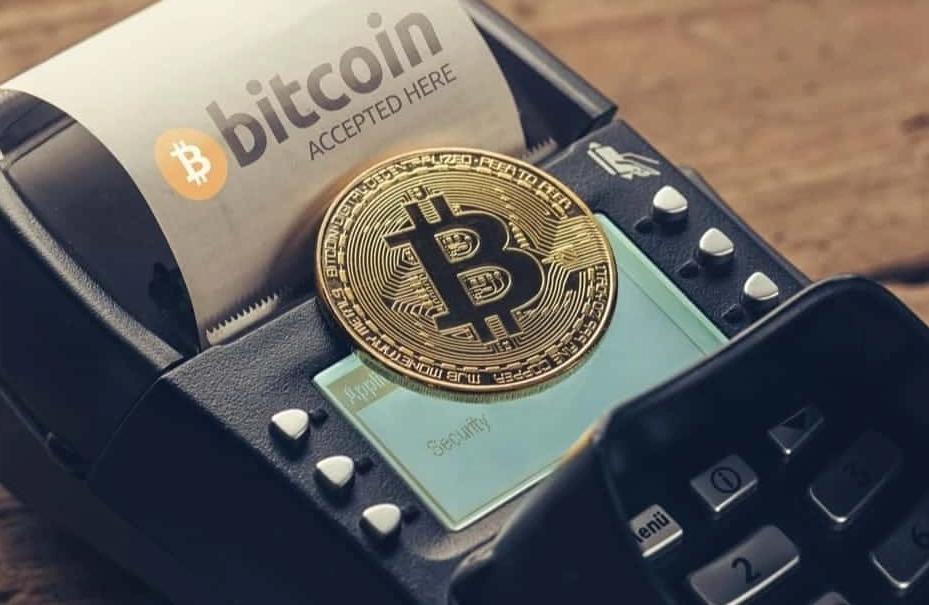
3. Accessing New, Affluent Customer Segments
Customers who hold cryptocurrency are often early adopters with higher disposable income. Offering Bitcoin as a payment option is a powerful marketing signal. It says your business is innovative, forward-thinking, and caters to a global, tech-savvy audience. It can be the reason you win a customer over a competitor who doesn't offer it.
Getting Started: A Practical Roadmap for Businesses
If the business case makes sense, here’s how to implement it without blowing up your accounting.
1. Choose a Payment Processor (Do NOT Try to Manage Wallets Manually). This is the most important decision. A good processor like BitPay, Coinbase Commerce, or BTCPay Server (self-hosted) will:
- Generate invoices and QR codes.
- Handle the exchange rate locking.
- Automatically convert Bitcoin to your local currency (if you want).
- Provide accounting plugins and tools.
- Manage the private key security for incoming payments.
I made the mistake early on of using a single company wallet address for all receipts. The accounting reconciliation was a nightmare. Let a professional tool handle the crypto complexity.
2. Integrate with Your Checkout. Most processors offer plugins for WooCommerce, Shopify, Magento, and custom API solutions. The integration is often easier than setting up a traditional merchant account.
3. Decide on Your Treasury Strategy: Hold or Convert? - Convert Immediately: The processor instantly sells the Bitcoin and deposits your local currency. This removes volatility risk and is the default for most businesses. Your margin is protected. - Hold a Percentage: Some businesses choose to keep a small percentage of receipts in Bitcoin as a treasury asset. This is a speculative bet on price appreciation and should only be done with funds you can afford to lose.
4. Update Your Legal and Accounting. Work with an accountant who understands crypto. In most jurisdictions, receiving Bitcoin is a taxable event at its fair market value at the time of receipt. Your payment processor's reports will be essential here.
For Users: Sending a Payment Without Sweating
Paying with Bitcoin shouldn't be scary. Follow this checklist:
Before You Click Send:
1. Verify the Address Meticulously. Check the first 4 and last 4 characters of the address against the merchant's invoice. A single wrong character sends your coins into the void. No one can get them back.
2. Understand the Network Fee. Your wallet will suggest a fee. Higher fees get your transaction confirmed faster. For a non-urgent payment, choosing a "medium" fee is fine. During network congestion, fees spike. A site like mempool.space shows current fee rates.
3. Send a Test Transaction. If it's a large payment or a new recipient, send a tiny amount first (like $5 worth). Confirm it arrives and is accepted, then send the rest. The fee makes this costly for small amounts, but for large ones, it's cheap insurance.
The Fee Debate: Bitcoin vs. Traditional Payments
Let's bust a myth. Bitcoin is not always "fee-less." But its fee structure is fundamentally different.
| Payment Method | Typical Fee Structure | Who Pays? | Settlement Time | Notes |
|---|---|---|---|---|
| Bitcoin (On-Chain) | Dynamic network fee ($0.50 - $10+). No percentage. | Customer pays network fee. Merchant may pay processor fee (0.5-1%). | 10 min - 1 hour+ | Fee is for security & finality, not a % of sale. Great for large transfers. |
| Credit Card | 1.5% - 3.5% + $0.30 per transaction. | Merchant pays (often baked into prices). | 24-48 hours (but reversible for months). | Fees are high, especially for small businesses. |
| PayPal/Venmo | ~2.9% + $0.30 (domestic). | Merchant or customer. | Instant to account, but reversible. | Convenient but expensive for merchants. |
| Bank Wire (International) | $15 - $50 flat fee + possible correspondent bank fees. | Both sides often pay fees. | 2 - 5 business days. | Slow, opaque, and expensive for cross-border. |
| Bitcoin (Lightning Network) | Negligible (fractions of a cent). | Customer pays tiny routing fee. | Instant. | Emerging layer-2 solution for small, fast payments. |
See the pattern? For a $10,000 international B2B payment, a $5 Bitcoin fee is trivial compared to a $300+ wire transfer. For a $5 digital download, a 3% + $0.30 credit card fee is reasonable, but a $2 Bitcoin on-chain fee is absurd. Choose the right tool for the job.
Common Pitfalls and How to Avoid Them
I've seen these mistakes over and over.
Pitfall 1: Treating Volatility Like the Boogeyman. Yes, Bitcoin's price moves. But merchants using a reputable processor are insulated—they lock in a local currency price. The volatility risk during the 15-minute payment window is minimal. The real risk is holding large amounts as a business without a strategy.
Pitfall 2: Ignoring Tax Obligations. This is the biggest legal risk. Every Bitcoin receipt is a taxable event. You need records of the date, amount in BTC, and fair market value in your local currency at that moment. Your payment processor should provide this. Don't wing it.
Pitfall 3: Using an Insecure Wallet for Business Receipts. A software wallet on a daily-use computer is not a business treasury solution. For any significant volume, funds should move to a hardware wallet or a qualified custodian. The payment processor should handle the hot wallet risk for incoming payments.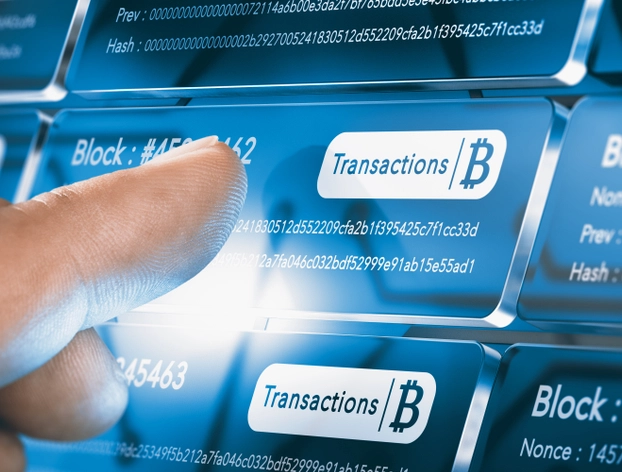
Your Burning Questions Answered
Bitcoin payments aren't a magic bullet. They're a specialized tool. For cross-border trade, final settlement, and reaching a new demographic, they offer compelling advantages that no traditional system can match. For buying groceries? Stick with your card. The future of payments isn't one system to rule them all, but a diverse ecosystem where you choose the best tool for the job. Bitcoin has firmly carved out its niche in that ecosystem.
The journey starts with understanding its real utility, not the hype. Maybe it's time to run that pilot project.
Reader Comments