Let's cut to the chase. Crypto scams are everywhere, and they're getting smarter. I've seen friends lose thousands because they clicked a link that looked legit. It's not just about phishing emails anymore; scammers use social engineering, fake apps, and even impersonate customer support. If you're into crypto, you need to know this stuff cold.
What You'll Learn in This Guide
The 5 Most Common Crypto Scams You Can't Afford to Miss
Scammers love crypto because it's decentralized and often anonymous. Here's a breakdown of the top schemes I've encountered over the years. Most people fall for these because they sound too good to be true—and they are.
Phishing Attacks: The Classic Trap
You get an email that looks like it's from Coinbase or Binance. It says your account is compromised and you need to verify your login. The link takes you to a site that's almost identical to the real thing. You enter your credentials, and boom—your crypto is gone. I almost fell for one last year; the URL had a subtle typo like "coinbasse.com". Always check the address bar.
Ponzi and Pyramid Schemes: The Promise of Easy Money
These promise high returns with little risk. They use new investors' money to pay old ones, collapsing when no one new joins. Remember BitConnect? People lost billions. If someone offers you 10% monthly returns, run. A friend joined one that required recruiting others; he made some money initially but lost it all when the scheme folded.
Fake Exchanges and Wallets: The Imposters
Scammers create fake trading platforms or wallet apps that look real. You deposit funds, and they disappear. I tested a fake exchange once for research; the interface was slick, but the withdrawal button never worked. Always download apps from official stores and verify the developer name.
Pump and Dump Schemes: The Social Media Frenzy
Groups on Telegram or Discord hype a low-cap coin, drive up the price, then sell at the peak, leaving others with worthless tokens. I've seen coins pump 500% in hours and crash just as fast. The insiders make money; everyone else gets burned. Don't follow hype without doing your own research.
Romance Scams: The Emotional Hook
Scammers build relationships online, then ask for crypto investments for a "shared future". It's heartbreaking. A colleague met someone on a dating app who convinced them to invest in a fake mining operation. They lost $50,000. Never send crypto to someone you haven't met in person.
Expert Tip: One subtle mistake beginners make is trusting YouTube or Twitter influencers blindly. Many promoted projects are paid shills. I always check if the influencer discloses sponsorships—most don't. Look for independent audits instead.
How to Spot a Crypto Scam: Red Flags That Scream Danger
Spotting scams isn't rocket science, but it requires attention to detail. Here are the warning signs I've learned to watch for.
First, unrealistic promises. If an investment guarantees high returns with no risk, it's a scam. Crypto is volatile; anyone saying otherwise is lying.
Pressure to act fast. Scammers create urgency—"limited-time offer" or "last chance". Legitimate projects give you time to think.
Poor communication. Official sites have clear terms, privacy policies, and contact info. Scam sites often have broken links, spelling errors, or vague details.
Anonymous teams. Real projects have doxxed founders with LinkedIn profiles. If the team is hidden behind avatars, be wary. I once researched a project where the CEO's photo was stolen from a stock image site.
Unverified social media. Check if accounts are verified on Twitter or Telegram. Scammers often use bots to inflate follower counts.
Here's a quick table to summarize:
| Red Flag | What to Look For | Example |
|---|---|---|
| Too-good-to-be-true returns | Promises of 100%+ monthly profits | "Double your BTC in 30 days!" |
| Urgency tactics | Countdown timers, limited slots | "Only 10 spots left! Invest now!" |
| Anonymous team | No real names or backgrounds | Team photos are generic avatars |
| Poor website quality | Broken links, spelling mistakes | "Welcome too our platform" |
| No external audits | Lack of code or security reviews | Smart contract not verified on Etherscan |
Another thing: scammers often use fake testimonials. I reverse-image search profile pics; many are stolen from other sites.
Step-by-Step Guide to Protecting Yourself from Crypto Fraud
Protection is about habits, not just knowledge. Follow these steps, and you'll drastically reduce your risk.
Step 1: Do Your Own Research (DYOR). Never invest based on a tweet or a friend's tip. Read the whitepaper, check the team's history, and look for community discussions on Reddit or GitHub. I spend hours researching before putting a dime in.
Step 2: Use Hardware Wallets. Store most of your crypto in a hardware wallet like Ledger or Trezor. It keeps your private keys offline. I learned this the hard way after a hot wallet got hacked.
Step 3: Enable Two-Factor Authentication (2FA). Use an app like Google Authenticator, not SMS. SIM swapping attacks are common. I set up 2FA on every exchange account.
Step 4: Verify URLs and Apps. Always type exchange URLs manually or use bookmarks. For apps, check the developer name and reviews. On Android, sideloading apps is risky; stick to Google Play.
Step 5: Limit Social Media Exposure. Don't brag about your holdings online. Scammers target big wallets. I keep my profiles private and avoid sharing transaction details.
Step 6: Report Suspicious Activity. If you spot a scam, report it to authorities like the U.S. Securities and Exchange Commission (SEC) or the Federal Trade Commission (FTC). It helps others. I've reported several phishing sites; some get taken down quickly.
Here's a personal routine: before any investment, I ask three questions. Is the team transparent? Is the code audited? Are there independent reviews? If any answer is no, I walk away.
Also, diversify. Don't put all your crypto in one project. I spread investments across different assets and platforms.
Real-Life Case Studies: Lessons from Major Crypto Scams
Learning from others' mistakes is cheaper. Let's look at two big scams and what went wrong.
Case Study 1: OneCoin – The $4 Billion Ponzi Scheme
OneCoin promised revolutionary blockchain technology, but it was all fake. No real blockchain, just a database. The founder, Ruja Ignatova, disappeared with billions. People invested because of flashy marketing and community events. The lesson? If a project doesn't have a public blockchain explorer like Bitcoin or Ethereum, it's probably a scam. OneCoin's transactions were hidden, a huge red flag.
Case Study 2: PlusToken – The Wallet Scam
PlusToken offered a wallet with high returns for depositing crypto. It collapsed in 2019, stealing over $2 billion. The app looked professional and had a referral program. Many trusted it because friends recommended it. The takeaway? Even if friends vouch for something, verify independently. PlusToken's code was never open-source, and withdrawals were delayed—classic signs.
I interviewed a victim of PlusToken; they said the support team was always friendly but evasive on technical details. That's another clue: legitimate projects have transparent support.
These cases show that scams often last years because people ignore warnings. Always stay skeptical.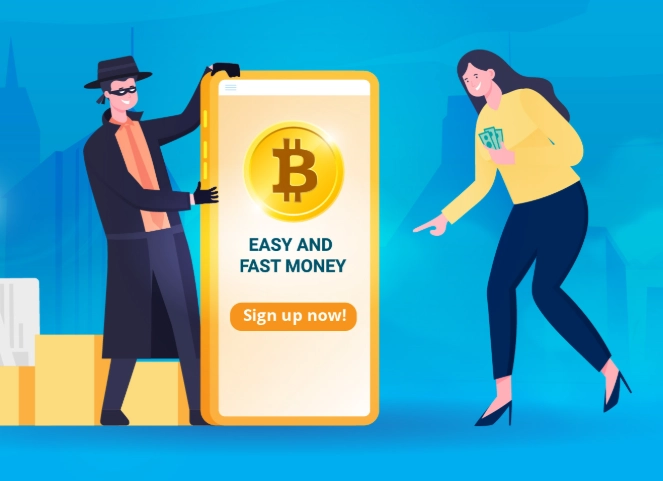
Your Burning Questions Answered (FAQ)
Stay vigilant. Crypto scams evolve, but the basics remain: research, verify, and trust your gut. If something feels off, it probably is. Share this guide with others—it might save their savings.
Reader Comments