Let's cut through the noise. When you search "country bitcoin legal," you're not just asking for a simple yes or no list. You're trying to figure out if you can buy Bitcoin where you live, if you'll get taxed into oblivion, or if moving your crypto operations abroad is a smart move. The truth is, Bitcoin's legal status isn't a light switch—it's a dimmer with many settings, ranging from "embraced as legal tender" to "banned entirely, with severe penalties." This guide maps that complex global landscape, focusing on what the laws actually mean for you as an investor, trader, or business owner.
Your Quick Guide to Global Bitcoin Laws
What Does "Bitcoin Legal" Really Mean?
Honestly, the word "legal" is a bit fuzzy in crypto. A country can say Bitcoin isn't illegal, but that doesn't mean it's welcomed with open arms. We need to break this down into practical layers.
First, there's ownership and possession. In most of the world, simply holding Bitcoin in a private wallet isn't a crime. But then comes trading and exchanging. This is where regulators step in. Can you legally buy Bitcoin on an exchange? Is that exchange licensed? Finally, there's use as payment. Can you pay your rent or buy coffee with it? This is the rarest layer.
I've seen newcomers make a critical mistake: they assume "legal" equals "unregulated." That's almost never the case. The most crypto-friendly countries usually have the clearest (and sometimes strictest) rules. Think of it like driving. Driving is legal, but you need a license, insurance, and must follow traffic laws. Countries with clear crypto regulations are setting up the traffic lights and speed limits. The dangerous places are the ones with no rules at all—that's where you're most likely to get into a crash.
The Global Spectrum: From Bans to Embrace
Let's categorize countries. This isn't just academic; it helps you gauge risk and opportunity.
The Green Zone: Pro-Bitcoin & Clear Regulations
These nations have established frameworks. They treat crypto assets as property or a specific financial instrument, with tax rules and licensed exchanges.
- United States: Federally legal, but a patchwork of state-level rules. The SEC, CFTC, and IRS all have a say. You can trade on massive exchanges like Coinbase (registered with FinCEN), but prepare for detailed tax reporting on Form 8949. It's complex but navigable.
- European Union: Following the Markets in Crypto-Assets (MiCA) regulation, rolling out fully in 2025. This creates a unified rulebook. Countries like Germany and Switzerland were already leaders, classifying Bitcoin as private money or a commodity with sensible taxes.
- Singapore: The Monetary Authority of Singapore (MAS) regulates exchanges under the Payment Services Act. Trading is legal, but advertising is restricted. It's a hub for crypto businesses because the rules, while strict, are clear.
- Canada: Allows trading through registered platforms. The Canadian Securities Administrators (CSA) oversee them. Like the US, capital gains tax applies.

The Yellow Zone: Restrictions & Gray Areas
This is the trickiest zone. Bitcoin isn't banned, but significant hurdles exist.
- India: A classic case of a gray area. Trading isn't illegal, but banking support has been shaky, and a heavy 30% tax on crypto profits plus 1% TDS (Tax Deducted at Source) on every transaction has chilled the market. The government is exploring a central bank digital currency (CBDC), adding to the uncertainty.
- China: Since 2021, all cryptocurrency transactions are banned. Mining is banned. However, ownership isn't explicitly criminalized. This creates a dangerous environment where you might not be arrested for holding, but any transaction exposes you to risk. Many Chinese traders use overseas platforms, but that carries its own perils.
The Red Zone: Outright Bans
These countries have made cryptocurrency transactions illegal, often with religious or capital control justifications.
- Algeria, Egypt, Morocco: Have bans in place, citing financial risks and religious law (haram).
- Bolivia: Banned since 2014.
- Nepal: Has arrested individuals for trading cryptocurrencies.
Here's a quick reference table to visualize the landscape:
| Category | Key Characteristics | Example Countries | User Reality |
|---|---|---|---|
| Green Zone | Clear regulatory framework, licensed exchanges, defined tax treatment. | USA, Germany, Japan, Singapore, Canada | Can operate openly but must comply with KYC, reporting, and taxes. |
| Yellow Zone | Restrictive policies, heavy taxation, or ambiguous legal standing. | India, Russia*, Nigeria* | Legal uncertainty; high cost of operation; banking access issues. |
| Red Zone | Complete ban on cryptocurrency transactions. | China (transactions), Algeria, Egypt, Bolivia | Forced to use peer-to-peer or overseas platforms at high risk. |
| The Pioneers | Adopted Bitcoin as legal tender alongside national currency. | El Salvador, Central African Republic | Can use BTC for everyday payments; no capital gains tax (in El Salvador). |
*Russia and Nigeria have complex, evolving stances with restrictions but not total bans.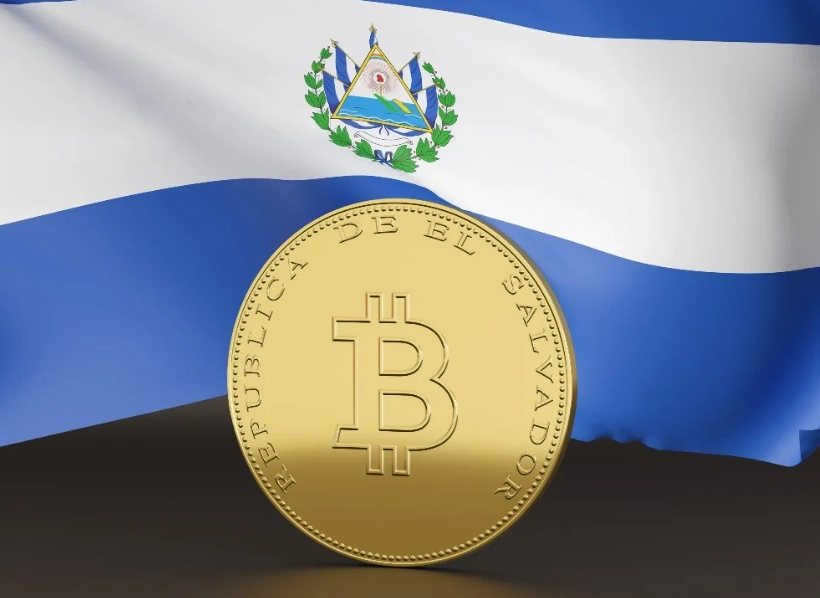
How Country Laws Impact You Directly
Okay, so a country is "Green." What does that actually change for you on a Tuesday afternoon? Two things matter most: taxes and access.
Tax Implications: The Real Cost of "Legal"
In nearly all Green Zone countries, Bitcoin is a taxable asset. The moment you sell, trade, or spend it, you likely trigger a capital gains event. The rate varies wildly.
Germany is interesting—if you hold Bitcoin for over a year, your capital gains are tax-free. That's a huge incentive for long-term holders. In the U.S., it's treated as property, and your holding period determines if it's short-term (taxed as income) or long-term (lower capital gains rate).
Now, compare that to El Salvador. By making it legal tender, they removed capital gains tax on Bitcoin. That's a massive financial incentive, though it comes with other risks like volatility.
The trap here? Assuming you don't need to report because your exchange didn't send a form. In the U.S., U.K., and most of Europe, you're legally obligated to report all transactions, even peer-to-peer ones. The taxman is catching up fast.
Access to Services: Exchanges and Banks
Your country's laws dictate which major exchanges you can use. Coinbase, Kraken, and Binance have lists of supported countries. If you're in a Yellow or Red zone, you're often blocked.
This forces people onto peer-to-peer (P2P) markets or smaller, less-regulated platforms. I've helped friends navigate this, and the risks skyrocket: higher chance of fraud, worse prices (spreads), and almost no customer support if something goes wrong.
Banking is the other side. Even in some Green Zone countries, traditional banks can be skittish. They might freeze accounts receiving funds from crypto exchanges. The workaround? Use banks that are known to be crypto-friendly or neobanks that integrate crypto services. It's an extra step you must research.
So, when you evaluate a country's stance, don't just ask "Is it legal?" Ask:
"Can I easily and safely buy it?"
"Will my bank shut down my account?"
"How much will the government take when I sell?"
Those are the questions that define your experience.
Your Burning Questions Answered
If I use a VPN to access an exchange from a banned country, what's the worst that can happen?
You're playing with fire on multiple levels. First, you'll violate the exchange's Terms of Service. If they detect it (and they have sophisticated methods), they will freeze your account and assets. Getting them back is a nightmare of customer support tickets. Second, you're breaking your local laws. Penalties can range from fines to, in extreme cases, criminal charges. Third, you have zero legal recourse if the exchange is hacked or fails. You willingly circumvented their safeguards. The risk/reward is terrible.
I'm considering moving to a crypto-friendly country. Beyond taxes, what should I research?
Taxes are huge, but look deeper. Residency requirements: How many days must you live there? Banking practicality: Can you, as a new resident, easily open a bank account that works seamlessly with crypto exchanges? Some countries have great laws but banks are still archaic. Cost of living and stability: Moving to a tax haven is pointless if your quality of life plummets or the political situation is unstable. Portugal was a hotspot for its tax benefits, but they've recently changed the rules. Always consult with a local immigration and crypto-tax attorney before making any plans.
My country has no specific Bitcoin laws. How should I proceed?
Proceed with extreme caution. The absence of law creates the highest uncertainty. Assume that general financial regulations around anti-money laundering (AML) and securities apply to you. Document everything—your trades, your sources of funds. Use well-known, regulated international exchanges if they allow you, as their compliance standards offer some protection. Most importantly, set aside a portion of any profits for potential future tax liabilities. When laws eventually form, they often apply retroactively. It's better to have the money set aside than face a surprise bill you can't pay.
What's the single most important document to understand for my country?
Find the official guidance from your national tax authority. In the U.S., it's the IRS Notice 2014-21 and their FAQs. In the U.K., it's the HMRC Cryptoassets Manual. Don't rely on blog summaries alone. These documents are the primary source and will detail what constitutes a taxable event, how to calculate gains/losses, and reporting deadlines. It's dry reading, but it's the rulebook. If your country doesn't have one, that's your answer—you're in a legal gray zone and should act defensively.
Reader Comments