Let's cut through the hype. You've seen the headlines about virtual land selling for millions. Maybe you've watched a friend's avatar wander through a pixelated concert. The idea of owning a piece of the metaverse is intriguing, but it also feels abstract, risky, and frankly, a bit confusing. Is it just digital Monopoly money, or is there a real asset class emerging? I've been navigating these virtual worlds since the early Decentraland days, and I've made my share of mistakes. This guide isn't about selling you a dream. It's a practical, no-nonsense walkthrough of what metaverse real estate actually is, how you can buy it, and—most importantly—how to think about it as a potential investment without getting burned.
What You'll Learn in This Guide
What Exactly is Metaverse Real Estate?
Forget the complex jargon. At its core, metaverse real estate is a digital certificate of ownership for a specific plot of land inside a virtual world. This certificate is usually an NFT (Non-Fungible Token) living on a blockchain like Ethereum or Polygon. Owning it gives you certain rights, which vary by platform. It's not about the pretty 3D graphics you see on screen—those are just the front-end interface. The real asset is that unforgeable, tradable deed on the blockchain.
What can you actually do with it? This is where it gets interesting and where most beginners misunderstand the value proposition.
- Build and Monetize: You can construct a virtual store, an art gallery, a game, or a private hangout. You might charge admission, sell digital goods, or host paid events.
- Rent it Out: Just like physical real estate, you can lease your land to brands or individuals who want a presence but don't want to buy.
- Speculate and Resell: You buy land hoping its value will increase due to platform growth, neighborhood development, or scarcity.
- Hold for Social Capital: Owning a prime plot (like a spot near a major portal or landmark) can grant status and access within the platform's community.
The Big Misconception: New investors often think they're buying the visual 3D model on the land. You're not. You're buying the underlying rights and permissions. The value isn't in the pixels; it's in the utility and scarcity encoded into that NFT. A barren plot in a thriving district can be worth far more than a beautifully built mansion in a ghost town.
How to Buy Metaverse Land: A Step-by-Step Guide
Ready to dive in? Here's the exact process, broken down. Missing a step is where people lose money or get frustrated.
Step 1: Choose Your Platform and Plot
This is your most important decision. Don't just buy the cheapest land you see. Ask: Is this platform actively growing? Does it have a strong developer community? What's the roadmap? Spend time as a guest in the world before you invest a dime. I once bought land in a "promising" new metaverse because the specs looked good on paper. The community was dead on arrival. The land is now worthless.
Step 2: Set Up a Crypto Wallet and Buy Crypto
You'll need a self-custody wallet like MetaMask. This is your key to the blockchain. Fund it with the platform's native currency (usually ETH for Ethereum-based worlds like Decentraland and Sandbox, or SAND/MANA for gas fees and purchases). Use a reputable exchange like Coinbase or Binance to get the crypto, then transfer it to your wallet. Write down your secret recovery phrase and store it offline. Never share it.
Step 3: Connect to a Marketplace and Make the Purchase
Each major platform has its own official marketplace (e.g., Decentraland's Marketplace, The Sandbox's LAND Marketplace). There are also aggregators like OpenSea. Connect your wallet, browse listings, and pay close attention to:
- Location Coordinates: Is it near a plaza, a major event space, or a road?
- Parcel Size: Measured in standard units like LAND or Parcels.
- Transaction History: Check past sale prices on a site like DappRadar to gauge fair value.
When you buy, you'll pay the price plus a "gas fee" for the blockchain transaction. Confirm the transaction in your wallet. Once processed, the NFT deed will appear in your wallet, and the platform will recognize you as the owner.
Watch Out: Never click on unofficial marketplace links sent in Discord or Twitter DMs. Scammers create perfect clones. Always navigate directly from the platform's official website. This is the number one way newcomers get drained.
The Tricky Business of Valuing Virtual Property
This is the hardest part. There's no MLS or standardized appraisal system. Value is driven by a mix of tangible and intangible factors.
- Scarcity & Platform Cap: How many total parcels exist? A hard cap (like The Sandbox's 166,464 LANDs) creates inherent scarcity.
- Location, Location, Location: This is digital, but it matters immensely. A parcel adjacent to a branded experience (like a Snoop Dogg concert stage in The Sandbox) or a major transportation hub will command a premium.
- Foot Traffic & Activity: Use the platform's map tools. Are there active users nearby? An empty district is a red flag.
- Developer Tools & Ecosystem: Can you easily build on it? A platform with a robust, no-code building system (like VoxEdit in The Sandbox) makes your land more usable and valuable.
Here's a mistake I see constantly: people overpay for a standalone plot in the middle of nowhere because it's "cheap," while ignoring a slightly more expensive plot in a cluster of active, well-developed estates. The latter has a much higher chance of appreciating because it's part of a network effect.
Top Metaverse Real Estate Platforms Compared
Not all virtual worlds are created equal. Here’s a breakdown of the current major players, based on my experience and consistent industry tracking.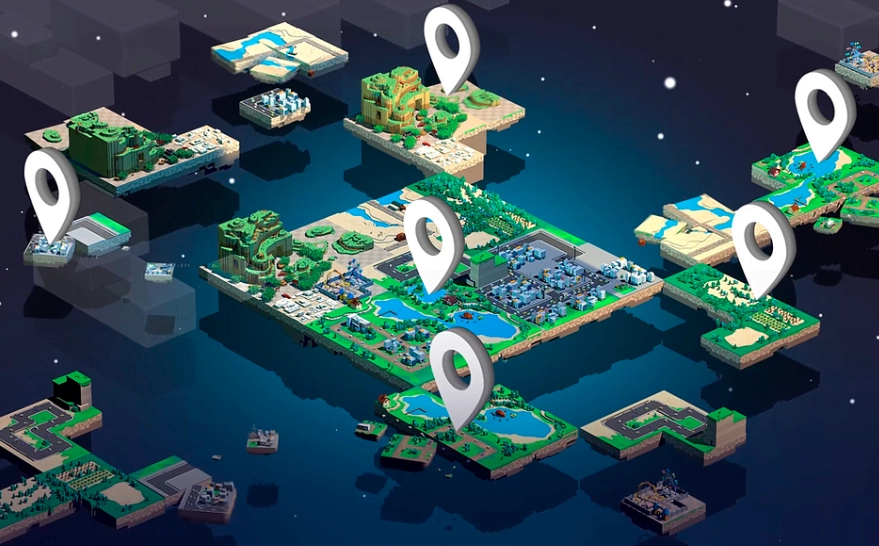
| Platform | Blockchain | Native Token | Key Strength | Consideration |
|---|---|---|---|---|
| Decentraland (MANA) | Ethereum | MANA | Established, user-governed DAO, strong brand partnerships. | Graphics can feel dated; user activity can be sporadic outside events. |
| The Sandbox (SAND) | Ethereum/Polygon | SAND, LAND | Powerful game-making tools, massive partner list (Warner Bros., Ubisoft). | Heavily game-focused; value tied closely to success of user-generated games. |
| Otherside (by Yuga Labs) | Ethereum | APE, Otherdeed | Hype from Bored Ape Yacht Club, high initial demand and floor price. | The actual interactive world is still in early development; highly speculative. |
| Somnium Space (CUBE) | Ethereum/Solana | CUBE | Immersive VR-first focus, persistent worlds, strong community. | Smaller user base; requires VR for best experience. |
My take? For a beginner, The Sandbox often offers the clearest path to utility because of its tools. For a pure speculation play tied to blue-chip NFTs, people look at Otherside. For an established, decentralized experiment, Decentraland is the veteran. Don't spread yourself too thin. It's better to understand one ecosystem deeply than to own random plots in five.
Future Trends, Risks, and Real Opportunities
Where is this all going? The hype cycle has cooled, which is healthy. We're moving past the land grab phase.
The real opportunity now is in usable, engaging experiences. Land that hosts a fun game, a useful service, or a vibrant community will hold and grow value. Land that sits empty as a pure speculative bet will likely stagnate or decline. We're also seeing the rise of "metaverse mortgages" and rental protocols, which could unlock liquidity and make the market more efficient.
The risks are significant and very real:
- Platform Risk: The company behind the world could fail. The tech could become obsolete.
- Liquidity Risk: You might not be able to sell when you want to, especially for less-desirable parcels.
- Regulatory Risk: How governments will treat digital asset ownership and taxation is still unclear.
Invest only what you're prepared to lose entirely. Think of it as a high-risk, high-potential-reward venture capital investment, not like buying a physical rental property.
Reader Comments