In This Guide
- What Does "Bitcoin in USD" Actually Mean?
- Where to Find the Real Bitcoin Price in USD
- How to Actually Convert Bitcoin to USD (And Vice Versa)
- What Moves the Price of Bitcoin in USD?
- Beyond the Price: Key Metrics to Watch
- Common Questions About Bitcoin in USD (Answered Honestly)
- The Psychological Side of Watching the Price
Let's be real. If you're reading this, you've probably typed "bitcoin in usd" into Google more times than you can count. Maybe you're checking the price of your holdings, trying to figure out how much to send a friend, or just curious what all the fuss is about. I get it. I was there too, refreshing pages and staring at charts, trying to make sense of the numbers.
The relationship between Bitcoin and the US dollar is the single most important price pair in crypto. It's the benchmark. The north star. When someone says "Bitcoin is at $60,000," they mean one bitcoin is worth sixty thousand US dollars. Simple, right? Well, the simplicity ends there. Understanding why it's at that price, how to track it accurately, and how to actually convert between the two is where things get interesting (and sometimes frustrating).
What Does "Bitcoin in USD" Actually Mean?
At its core, "bitcoin in usd" is an exchange rate. It's no different conceptually from checking how many euros you get for one dollar. Instead of physical currencies, you're looking at the value of a digital asset (Bitcoin, or BTC) measured in the world's primary reserve currency (the US Dollar, or USD). This rate fluctuates constantly, 24/7, 365 days a year. There's no closing bell on the weekend.
Key Point: There isn't one single, official "Bitcoin in USD" price. The price you see is an aggregate or a specific quote from an exchange. Different platforms might show slightly different values at the exact same moment due to liquidity and trading activity. The most commonly referenced "global" price is an average of major exchanges.
I remember back in 2017, I'd check three different apps and get three different prices. It was confusing. Was my Bitcoin worth $14,780 or $14,820? The difference mattered. Now I know they were all correct, just from different sources.
Where to Find the Real Bitcoin Price in USD
Forget random blogs or social media posts for your primary price data. You need reliable sources. Here are the ones I use and trust.
Top-Tier Data Aggregators
These sites pull data from hundreds of exchanges to calculate a volume-weighted average price. They're your best bet for a neutral, market-wide view.
- CoinMarketCap: The industry standard. Their Bitcoin page shows the price, charts, market cap, and a list of exchanges where it's traded. It's clean, comprehensive, and usually the first result in Google for a reason.
- CoinGecko: A fantastic alternative, sometimes preferred for its transparency. I find their charts particularly user-friendly. Both are essential bookmarks.
Why trust these? They've built reputations over years. They're not trying to sell you anything; they're providing data. It's in their interest to be accurate.
Major Exchange Tickers
If you're planning to buy, sell, or convert, you need to look directly at an exchange. The price you get there is the price that matters for your transaction. Aggregators give you the big picture, but the exchange gives you the actionable number.
| Exchange | Best For | Note on USD Price |
|---|---|---|
| Coinbase | Beginners in the US; ease of use. | Price includes a spread (the difference between buy/sell), so it's often slightly higher than the pure market rate. |
| Kraken | Traders; strong security reputation. | Tends to have very competitive, close-to-market rates, especially for larger volumes. |
| Binance.US | Active traders seeking low fees. | Provides a direct BTC/USD trading pair. The price is set by its users' orders. |
That spread on Coinbase? That's how they make a big part of their money. It's not a hidden fee, but it's something to be aware of. If you're converting a large amount, that spread can add up. Sometimes it's worth the convenience, sometimes it's not.
A Quick Rant: Be extremely wary of any site showing a Bitcoin in USD price that seems wildly different from CoinMarketCap or major exchanges. It's a classic scam tactic—showing an inflated price on a fake platform to lure you in. If it's too good to be true, it is.
How to Actually Convert Bitcoin to USD (And Vice Versa)
Knowing the price is one thing. Getting your hands on the dollars (or the Bitcoin) is another. The process is straightforward once you know the steps, but the choices you make along the way cost real money.
The Standard Path: Centralized Exchanges (CEXs)
This is the most common method. You create an account, verify your identity (a process called KYC), deposit your Bitcoin, place a sell order, and withdraw the USD to your bank.
The Step-by-Step (Selling BTC for USD):
- Choose Your Exchange: Pick from the table above or another reputable one available in your country.
- Send Your Bitcoin: From your personal wallet (like a Trezor or Ledger) or another exchange, send BTC to your deposit address on the new platform. Double-check the address. Always.
- Sell It: Once the deposit clears (can take from 10 minutes to an hour), navigate to the BTC/USD trading pair and place a "sell" order at the market price for an instant sale.
- Withdraw the Cash: Link your bank account (usually via ACH) and initiate a withdrawal. This can take 1-5 business days.
The fees here stack up: a network fee to move your Bitcoin, a trading fee to sell it, and sometimes a withdrawal fee to get your USD out. It's not free, but for most people, it's the most reliable path.
Peer-to-Peer (P2P) Platforms
Think of these as eBay for crypto. Platforms like Paxful or the P2P sections on Binance and LocalBitcoins connect you directly with another person. You agree on a price and a payment method (like Zelle, PayPal, or even cash in person).
I've used P2P a few times. The benefit is you can sometimes get a better rate. The downside? It requires more vigilance. You're dealing with individuals, not a company. Always use the platform's escrow service, which holds the Bitcoin until the seller confirms they've received your cash. Check the user's reputation score religiously. One bad experience taught me that lesson.
Bitcoin ATMs
These physical kiosks let you insert cash to buy Bitcoin (and some let you sell for cash). They're incredibly convenient but come at a steep cost—fees often range from 10% to 20%, sometimes more. I only consider this in a genuine pinch where I need cash immediately and have no other option. The price you get for your bitcoin in usd at an ATM is usually well below the market rate.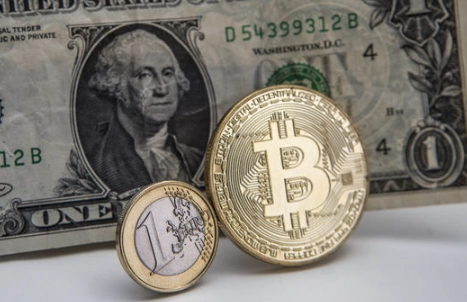
What Moves the Price of Bitcoin in USD?
This is the million-dollar question. Why does the value swing so wildly? It's a mix of traditional finance forces and unique crypto dynamics.
The Big Four Price Drivers
If you only remember four things, remember these. They're the constant backdrop to every price movement.
1. Supply and Demand (The Core Rule): The supply of Bitcoin is capped and predictable—only 21 million will ever exist. Demand, however, is unpredictable. When more people and institutions want to buy Bitcoin than sell it, the price in USD goes up. Simple economics, but in a hyper-charged, global market.
2. Macroeconomic Sentiment: Bitcoin has, like it or not, become correlated with "risk-on" assets. When inflation fears rise (look at data from the U.S. Bureau of Labor Statistics), or when central banks like the Federal Reserve hike interest rates, investors often flee risky bets. This can push the price of bitcoin in usd down. Conversely, when money is cheap and looking for high returns, it can flow into crypto.
It's funny. Bitcoin was supposed to be an uncorrelated asset, a hedge. Some days it acts like one. Other days, it trades like a tech stock on steroids.
3. Regulatory News and Hype: A tweet from an influential figure, a rumor of a country banning crypto, or the announcement of a major company like Tesla buying Bitcoin—these events cause immediate and violent price reactions. The market is emotionally driven, often more than logically driven.
4. Technological and Network Developments: Upgrades to the Bitcoin protocol (like the Taproot upgrade), changes in mining difficulty, or spikes in network transaction fees can influence long-term investor confidence, which eventually feeds into the price.
Beyond the Price: Key Metrics to Watch
Smart investors look beyond just the spot price of bitcoin to usd. These metrics give you context.
- Market Capitalization: The total USD value of all Bitcoin in existence (price x circulating supply). It gives a sense of the asset's overall size.
- Trading Volume (24h): How much USD value of Bitcoin has been traded across major exchanges in a day. High volume confirms a price move's strength; low volume suggests it might be fragile.
- Hash Rate: The total computational power securing the Bitcoin network. A rising hash rate suggests miner confidence and network security, generally a positive long-term signal.
You can find all of these on the CoinMarketCap and CoinGecko pages I linked earlier. Don't just stare at the price chart. Glance at these numbers too. They tell a fuller story.
Common Questions About Bitcoin in USD (Answered Honestly)
Let's tackle the stuff people are actually searching for but are afraid to ask in public forums.
The Psychological Side of Watching the Price
Nobody talks about this enough. Watching the volatile price of bitcoin in usd can be an emotional rollercoaster. The green pumps bring euphoria. The red dumps bring anxiety. I've felt both.
Here's my unsolicited advice: set a plan and stick to it. Are you converting a set amount each month (dollar-cost averaging out)? Are you waiting for a specific price target? Write it down. The worst decisions are made when you're staring at a crashing chart in a panic, or a soaring chart in a frenzy of greed. The price ticker is not your friend; it's a test of your discipline.
Turn off the notifications. Check the price once a day, or even once a week, unless you're a day trader. Your mental health will thank you. The goal is to use Bitcoin and understand its value in USD, not to let the USD value of Bitcoin use you.
Final thought: The journey of understanding "bitcoin in usd" is more than just learning about a number. It's a crash course in global finance, technology, and human psychology. It's frustrating, fascinating, and full of lessons that go far beyond crypto. Start with the reliable sources, understand the costs of conversion, know what moves the needle, and for goodness' sake, make a plan for taxes. And maybe, just maybe, stop refreshing that price chart every five minutes.
Reader Comments