Let's be honest. You're here because you've seen the headlines. Someone turned $17 into a million with Shiba Inu. Dogecoin, started as a joke, paid off someone's mortgage. The stories are magnetic, and the fear of missing out (FOMO) is real. But for every story of life-changing gains, there are thousands of silent stories of portfolios getting wiped out. I've been in crypto since the early Bitcoin days, and I've watched this cycle repeat. Meme coins aren't investing in the traditional sense; they're a unique blend of social psychology, internet culture, and high-stakes speculation. This guide won't tell you which meme coin will "moon" next. Instead, it will give you the framework to understand the game, so you can decide if—and how—you want to play.
Your Quick Navigation Guide
What Exactly Are Meme Coins (And What They Are Not)
At their core, meme coins are cryptocurrencies whose primary value driver is internet culture and community sentiment, not underlying technology or utility. This is the critical distinction everyone misses.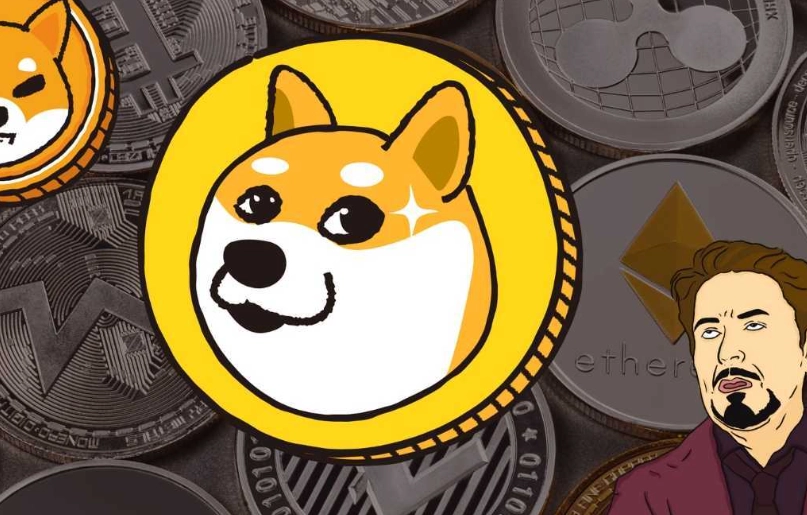
Think of Bitcoin as digital gold (a store of value). Ethereum is a global computer (powering apps). A meme coin like Dogecoin? It's the internet's tipping currency, born from a Shiba Inu meme. Its value isn't in its code—which is a simple fork of Litecoin—but in the shared belief and viral narrative around it.
Here’s what typically defines them:
- Origin Story as Marketing: They launch with a strong, often humorous, narrative (a dog, a frog, a political figure).
- Community is the Product: Success hinges on a dedicated, loud online community on Twitter, Reddit (like r/CryptoMoonShots), and Telegram.
- Supply is Often Massive: Many have supplies in the trillions, making a "price per coin" of $0.00001 feel accessible (psychologically important).
- Low Barriers to Creation: Thanks to platforms like the Solana or Binance Smart Chain, creating a token can take minutes with minimal cost, leading to an explosion of projects.
I've seen friends dive into a coin because the website looked professional, not realizing the entire project was a template. The first rule: separate the sizzle from the non-existent steak.
Case Studies: The Anatomy of Two Mega Memes
Let's look at two that made it. Not to glorify them, but to dissect the chaotic factors behind their rise.
| Coin | Launch | Catalyst for Rise | Peak Market Cap* | Key Lesson |
|---|---|---|---|---|
| Dogecoin (DOGE) | 2013 (Joke) | Elon Musk tweets, Reddit's r/WallStreetBets energy, TikTok challenges in 2021. | ~$88 Billion | Narrative can sustain for years, evolving from pure joke to a "people's crypto." Celebrity endorsement is a double-edged sword. |
| Shiba Inu (SHIB) | 2020 (The "Dogecoin Killer") | Vitalik Buterin donation/burn, centralized exchange listings (Coinbase, Binance), massive online army. | ~$41 Billion | The "next Doge" narrative is powerful. Getting listed on major exchanges provides legitimacy and liquidity, fueling parabolic moves. |
*Source: Historical data from CoinMarketCap.
The Dogecoin Phenomenon: More Than Luck
Dogecoin's 2021 run wasn't an accident. It was a perfect storm. After years as a niche tipping coin, it got adopted by the r/WallStreetBets crowd after the GameStop saga. It became a symbol of anti-establishment sentiment. Elon Musk's tweets acted as rocket fuel, but the community was the engine. The lesson? Timing with broader cultural movements is everything. Buying DOGE in 2014 and holding required insane patience. Buying in January 2021 and selling in May 2021 was about catching a social wave.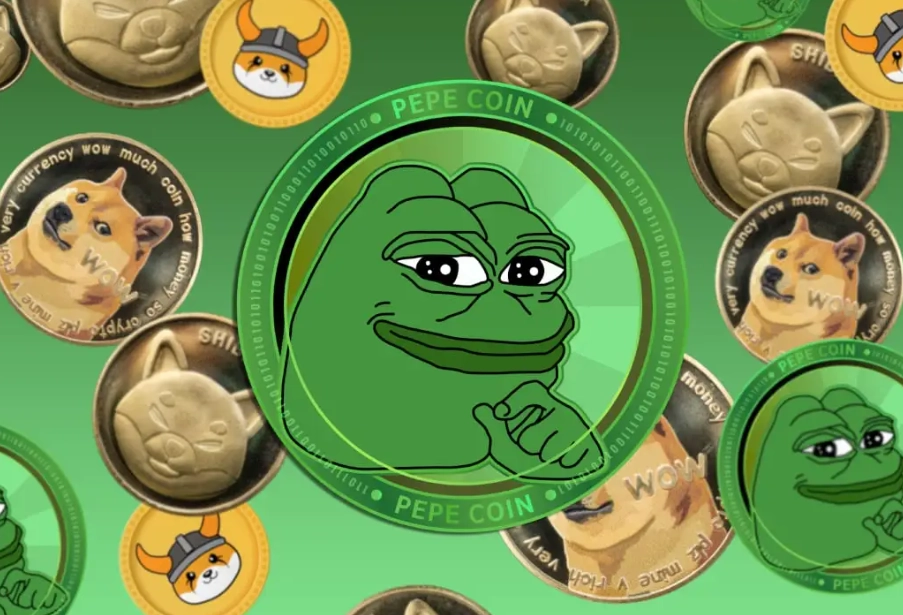
Shiba Inu and the "Vitalik Burn"
Shiba Inu's developers sent half of SHIB's total supply to Ethereum co-founder Vitalik Buterin's wallet, supposedly to "lock" it. In a shocking move, Buterin donated a portion and burned (sent to an unusable address) over 90% of the rest. This massive, unexpected supply reduction sent shockwaves through the market. It was a publicity stunt that turned into a fundamental shock. It taught me that in the meme space, unpredictable, one-off events can create more price action than any roadmap.
How to Approach Meme Coin Investing (If You Must)
Let's say you understand the risks and still want to allocate a small, disposable portion of your portfolio. Throwing darts is a strategy, but a bad one. Here's a more structured, albeit still speculative, approach.
Step 1: Capital Allocation – The "Set It On Fire" Rule.
Decide on an amount you are 100% comfortable losing entirely. This isn't hyperbole. For most people, this should be 1-5% of your total investment capital, max. This money is gone in your mind. It prevents emotional decision-making when prices swing 50% in a day.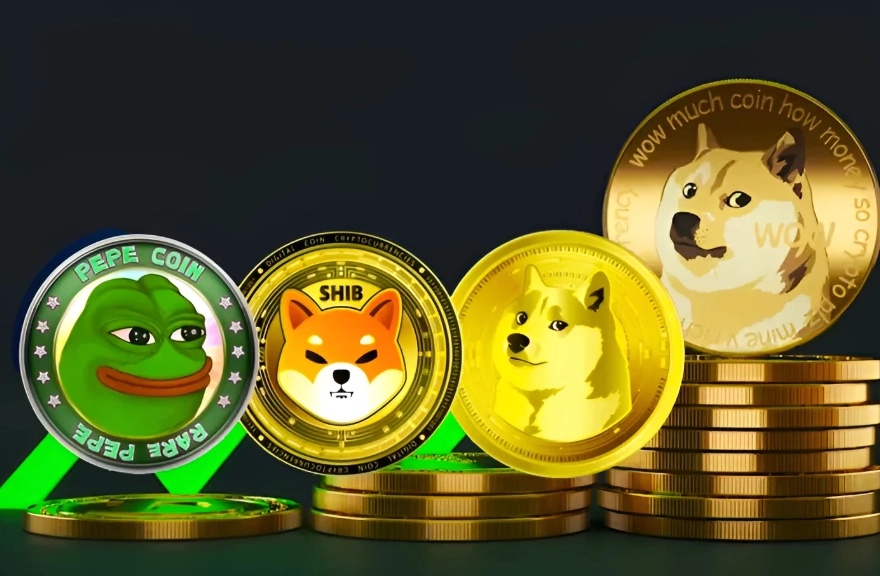
Step 2: The Search – Where to Look (and What to Avoid).
Forget fancy whitepapers. Focus on social metrics.
- Twitter/X & Telegram: Is the community active, organic, and growing? Or is it filled with bots posting "To the moon!" every minute?
- DEX Screener: Tools like DEXScreener let you track new tokens on chains like Solana and Base. Look for rising volume and unique holder growth.
- The Avoid List: Immediately skip any coin where the developers' wallets are unlocked and massive, where the website has no social links, or where the Telegram admin asks for your private key (a common scam).
Step 3: Timing & Entry – The Worst Time to Buy.
The absolute worst time to buy is when your Twitter feed is saturated with hype about one coin, and it's already up 300% that day. That's called buying the top. Look for coins with steady, organic community build-up over days, not hours. Enter in small tranches.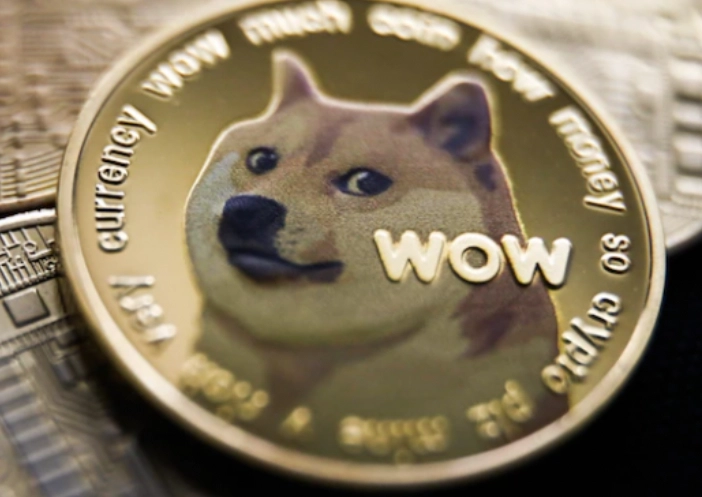
Step 4: Exit Strategy – This is Non-Negotiable.
Before you buy, write down two numbers:
- Profit Target: "I will sell 50% if it reaches a 5x." Take your initial investment out early.
- Stop-Loss: "I will sell all if it drops 50% from my entry." This is brutal but necessary. Meme coins can drop 80% and never recover.
Use decentralized exchange (DEX) limit orders to automate this. Emotion will betray you.
What Are the Biggest Risks Beyond Losing Money?
Everyone talks about price volatility. Let's talk about the less-discussed dangers.
1. The Psychological Toll.
The constant 24/7 hype cycle is exhausting. Watching a position go up 100% and debating whether to sell, then watching it crash, creates anxiety and ruins focus on your job, relationships, and sleep. I've been there. It's not worth your peace of mind.
2. Rug Pulls and Scams.
This is where developers drain the project's liquidity pool and disappear with investors' funds. According to a 2023 report by Chainalysis, over $2 billion was lost to DeFi and crypto scams, with meme coin rugs being a significant contributor. If a project's liquidity is not locked (check on sites like Unicrypt), run.
3. Regulatory Blowback.
The U.S. Securities and Exchange Commission (SEC) has been increasing its scrutiny of crypto. While they haven't targeted pure meme coins extensively yet, the environment is hostile. A single enforcement action or negative statement can crush an entire sector overnight.
4. The Opportunity Cost.
This is the silent killer. The $1,000 you put into a meme coin that goes to zero could have been invested in a diversified index fund, a solid blue-chip crypto like Bitcoin or Ethereum, or used for education. The years spent chasing the next meme could have been spent building real investing knowledge.
Your Meme Coin Questions, Answered Honestly
Meme coins are a fascinating, chaotic corner of finance. They can teach you about market psychology, viral marketing, and risk management in the most extreme classroom possible. But never confuse the lesson with a reliable get-rich-quick scheme. Arm yourself with knowledge, define your boundaries rigidly, and remember that preserving your capital and sanity is always the ultimate win.
Reader Comments