Let's be honest. Crypto is exciting, confusing, and a bit scary all at once. You've heard stories of life-changing gains and devastating losses. The jargon is endless—blockchain, wallets, DeFi, NFTs. Where do you even start without feeling like you're about to make a costly mistake?
Right here. This guide strips away the hype and complexity. I've been in this space since 2016, and I've seen every beginner error in the book (and made plenty myself). My goal isn't to make you a trading expert overnight. It's to give you the foundational knowledge to take your first steps with confidence and, more importantly, safety.
We'll move from "what is this thing?" to "how do I actually buy some?" and finally, "how do I not lose it all?"
What's Inside This Guide
What Exactly is Cryptocurrency?
Forget the textbook definitions for a second. Think of a cryptocurrency like Bitcoin as a new kind of digital property.
Imagine a giant, public spreadsheet that records who owns what. This spreadsheet isn't stored on one company's server (like a bank). Instead, it's copied across thousands of computers worldwide. That's the core idea of a blockchain—a decentralized ledger. When you "own" Bitcoin, what you really own is the right to an entry on that shared spreadsheet, secured by cryptography.
Why does this matter? It creates a system for transferring value without a central middleman. No bank needs to approve your transaction. This is the "trustless" part you hear about. The network rules (the code) enforce trust.
It's crucial to separate the asset from the technology. The blockchain technology has immense potential. The price of any specific coin, however, is driven by speculation, adoption, and market sentiment. They are not the same thing.
How Do I Actually Get Started with Crypto?
This is the practical part. You don't need to understand mining or consensus algorithms to buy your first $20 of Bitcoin. Follow these steps in order.
Step 1: Choose a Reputable Crypto Exchange
This is your on-ramp. You use traditional money (USD, EUR, etc.) here. Think of it like a stock brokerage, but for crypto.
My non-negotiable criteria for a beginner-friendly exchange:
- Strong Regulation & History: It should be licensed in major jurisdictions. Longevity matters.
- User-Friendly Interface: Cluttered, complex screens lead to costly errors.
- Good Liquidity: This means you can buy and sell easily without huge price gaps.
- Security Features: Look for two-factor authentication (2FA) as a minimum.
Here’s a quick comparison of three top picks for beginners:
| Exchange | Best For | Key Consideration |
|---|---|---|
| Coinbase | Absolute beginners. Super simple UI, strong educational content (they even pay you to learn). | Higher fees than some competitors. It's the price you pay for simplicity and security. |
| Kraken | Beginners who quickly want more advanced tools. Excellent reputation for security. | Interface can feel a bit more technical than Coinbase's. |
| Binance | Largest selection of coins and lowest trading fees. | Global regulatory scrutiny can be confusing. The sheer number of options is overwhelming for a true newbie. |
My personal recommendation for day one? Start with Coinbase. Yes, the fees are higher. But the reduced risk of making a catastrophic error is worth the extra few dollars. You can always move to a lower-fee platform later.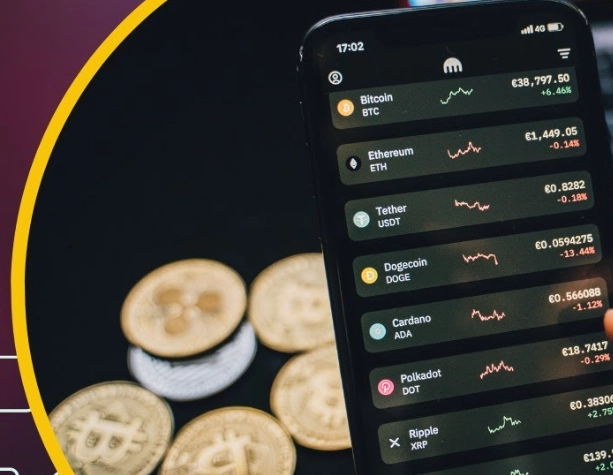
Step 2: Get a Crypto Wallet (But Not Right Away)
This is where most guides get the order wrong. They scream "NOT YOUR KEYS, NOT YOUR COINS!" and tell you to immediately withdraw to a wallet. This causes panic.
Here’s the reality: A reputable exchange like Coinbase is a reasonably safe place for small amounts while you're learning. A self-custody wallet (like MetaMask, Ledger, or Trezor) gives you full control, but also full responsibility. Lose your password/seed phrase? Your crypto is gone forever. No customer support can help you.
The Wallet Rule: Keep your "learning budget" on the exchange. The moment your total crypto holdings exceed an amount you'd be devastated to lose (for me, that was about $1,000), it's time to move the majority to your own hardware wallet. Think of the exchange as your checking account and your hardware wallet as your savings vault.
Step 3: Make Your First Purchase
On your chosen exchange, link your bank account or debit card. Start small. I mean $50 small. Your goal for purchase #1 is not profit—it's education.
Buy $50 of Bitcoin (BTC). Just hit the "buy" button. Feel the nerves? Good. That's real.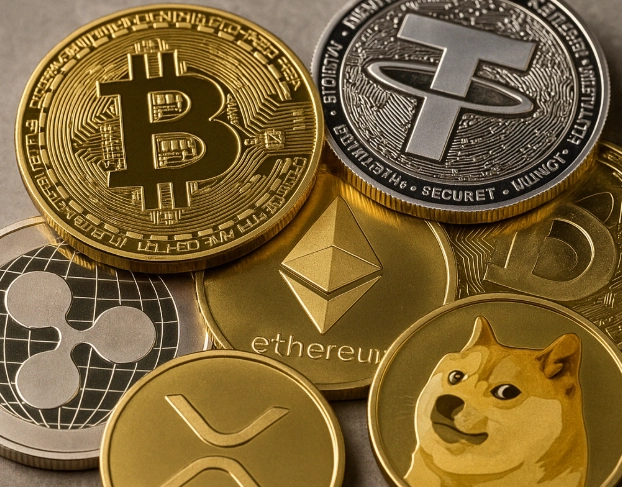
Now, practice. Send $10 of that Bitcoin to another address (maybe a software wallet you've installed). Experience the network fee. Wait for the confirmation. This hands-on experience is priceless and eliminates the abstract fear of the process.
Common Beginner Crypto Mistakes to Avoid
Now for the stuff they don't put in the shiny ads. Avoiding these will put you ahead of 90% of beginners.
1. Chasing "The Next Big Thing" (Altcoin Mania)
You'll hear about Dogecoin, Shiba Inu, or some new coin promising to 1000x. This is gambling, not investing. These "memecoins" have no fundamental value beyond social hype. It's fine to allocate a tiny, fun-sized portion of your portfolio here if you understand it's pure speculation. But never make it your core strategy. Your foundation should be established assets like Bitcoin and Ethereum.
2. Ignoring Security Fundamentals
This is the big one.
- SMS 2FA is trash. Use an authenticator app like Google Authenticator or Authy. SIM-swapping attacks are real.
- Never, ever share your seed phrase. No legitimate company will ever ask for it. Anyone who does is a scammer.
- Beware of phishing. Double-check URLs. Bookmark your exchange login page.
3. Emotional Trading (Buying High, Selling Low)
The market moves on fear and greed. When prices are skyrocketing and everyone is euphoric (greed), that's often a local top. When prices are crashing and news is terrible (fear), that's often a buying opportunity for the disciplined. Most beginners do the opposite. The antidote? Dollar-Cost Averaging (DCA). Set up automatic weekly purchases of $50 of Bitcoin. You buy at high prices, low prices, and everything in between. It removes emotion and builds a position over time.
Beyond the Basics: What Comes Next?
Once you're comfortable buying, holding, and securing Bitcoin or Ethereum, the rabbit hole goes deeper. Here’s a map of what to explore next, in order:
- Ethereum & Smart Contracts: Understand what a "programmable blockchain" enables. Don't just buy ETH; try using a small amount to interact with a decentralized app. Swap a tiny amount of ETH for another token on a decentralized exchange (DEX) like Uniswap. The experience is illuminating.
- Staking & Earning Yield: Some blockchains, like Ethereum, allow you to "stake" your coins to help secure the network and earn rewards. This is a more advanced form of earning interest. Research the risks (like locking periods) thoroughly.
- Layer 2 Solutions: Networks built on top of Ethereum (like Arbitrum, Optimism) that offer faster, cheaper transactions. This is where scalability is being solved.
Remember, you don't need to understand everything at once. Master one layer before moving to the next. The space evolves fast, but the core principles of security, skepticism, and gradual learning remain constant.
Crypto isn't a get-rich-quick scheme. It's a new digital frontier. By starting with a focus on safety and understanding, you're not just protecting your money—you're building the knowledge to navigate this space for years to come. Now, take that first small, smart step.
Questions Beginners Actually Ask
Is crypto too volatile for beginners to start investing?
What's the single biggest security mistake crypto beginners make?
How much money do I actually need to start with crypto?
Should beginners buy Bitcoin first or explore altcoins?
Reader Comments