What's in This Guide (Skip to What You Need)
A sponge cake looks simple—eggs, sugar, flour. That's it. But I can't tell you how many times I pulled a flat, rubbery disc out of my oven before I figured out the real mechanics. The turning point? Learning that sponge cake is less about the recipe and more about how you handle the eggs and air.
I've tested this method in my own kitchen more times than I care to admit, and it holds up whether you're using a hand whisk or a stand mixer. Here's what to do, what to avoid, and the tiny adjustments that make the difference between a cake that's tall and fluffy versus one that tastes like a sweet omelet.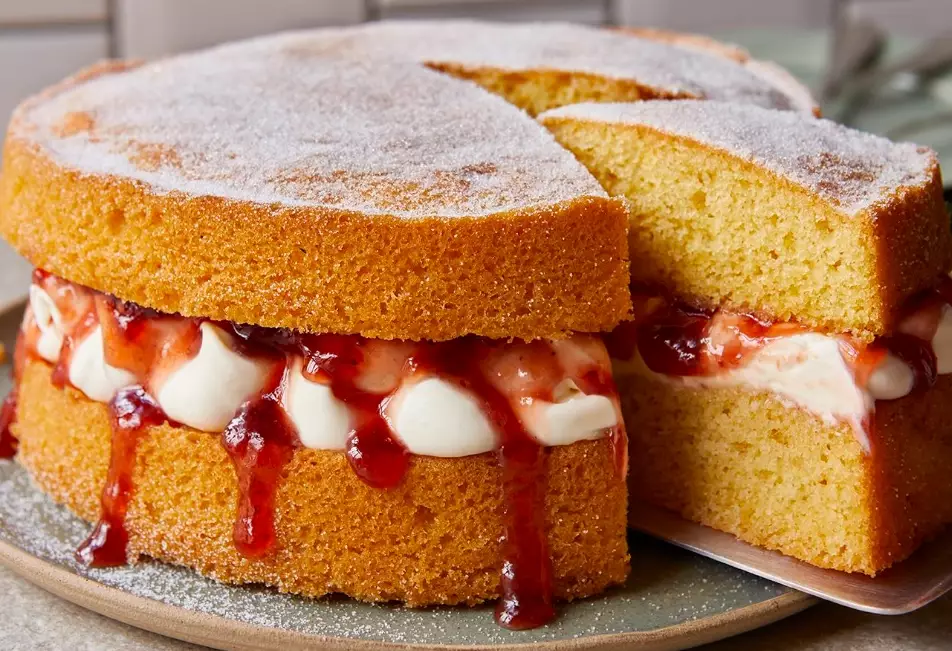
Sponge Cake Basics: What Actually Makes It Rise
No baking powder, no butter. A classic sponge cake relies on air whipped into whole eggs (or separated yolks and whites). The flour you fold in has to trap that air, and the heat of the oven sets the structure before the air escapes.
Most troubleshooting guides skip the one detail that matters most: egg temperature. Eggs straight from the fridge won't whip to full volume no matter how long you beat them. I've tested this side by side—cold eggs took twice as long and the final cake was noticeably shorter. Room temperature eggs (around 68°F / 20°C) whip faster and create a finer bubble structure.
My own note: I place eggs in a bowl of warm tap water for 10 minutes if I forgot to take them out early. The water should feel slightly warm but not hot—hot water starts cooking the whites near the shell and you'll get little cooked egg bits in your batter.
The Core Ingredients (What You Actually Need)
| Ingredient | Amount | Why It Matters |
|---|---|---|
| Whole eggs, room temperature | 4 large (about 200g) | Provides structure and all the air |
| Granulated sugar | 120g | Stabilizes the foam and adds sweetness |
| Cake flour or all-purpose flour (sifted) | 120g | Low protein keeps the crumb tender |
| Melted butter or neutral oil | 30g | Adds moisture and helps the texture stay soft |
| Vanilla extract | 1 tsp | For flavor, optional but recommended |
One thing I wish someone told me earlier: sift the flour three times. Not once. Three. It sounds excessive, but it breaks up clumps and aerates the flour so it folds in without deflating the eggs.
Step-by-Step: How to Make Sponge Cake at Home
Here's the exact sequence I follow. It takes about 50 minutes from start to finish, including baking and cooling.
1. Prep the Pan and Oven
Line the bottom of an 8-inch round pan with parchment paper. Don't grease the sides—the batter needs to climb the walls. Preheat your oven to 350°F (175°C) for at least 20 minutes. I use an oven thermometer because my oven runs 15°F low. If yours does too, you'll end up with a pale, sunken cake.
2. Whip Eggs and Sugar to the Ribbon Stage
Combine whole eggs and sugar in a bowl set over simmering water (don't let the bowl touch the water). Whisk constantly until the mixture reaches about 100°F (37°C)—warm to the touch but not hot. Remove from heat. Beat on medium-high speed until the foam falls off the whisk in a thick ribbon that holds its shape for 2 seconds. This takes about 5 to 7 minutes with a stand mixer, longer by hand.
3. Fold in the Sifted Flour
Divide the flour into three additions. Sift each portion directly over the egg foam. Fold gently with a large spatula—down the middle, around the bottom, up and over. Rotate the bowl a quarter turn each time. Stop as soon as you see no dry flour. Overmixing here is what kills the air.
4. Add the Melted Butter
Temper the butter: spoon a small amount of batter into the melted butter, stir, then pour that back into the main batter. Fold it in gently until just combined. You'll see the batter loosen slightly. That's normal.
5. Bake and Cool
Pour into the pan, smooth the top, and bake for 25 to 30 minutes. The cake should spring back when touched and a skewer comes out clean. Invert the pan immediately onto a wire rack—if you leave it right side up, the cake compresses under its own weight as it cools. Let it cool completely upside down, about 40 minutes.
I know inverting the pan feels weird. But I've compared both methods. An upright-cooled sponge cake loses about 15% of its height. Upside down, it stays tall. Do it.
Why Did My Sponge Cake Collapse? (6 Real Causes)
This is the question I get from readers every week. Usually, it's not one big mistake—it's one small detail that slipped through.
Under-beaten eggs. If the foam doesn't hold a ribbon, it won't hold flour. Beat longer. Way longer than you think.
Deflating during the fold. A heavy hand here is the most common problem. Use a big spatula and a light touch. Scrape the bottom, lift, turn. Don't stir.
Opening the oven too early. The cake rises on steam and trapped air. A sudden blast of cool air can cause it to collapse. I know it's tempting. Wait until at least 20 minutes have passed.
Not inverting the pan. As the cake cools, the air pockets contract and the structure is still soft. Cooling upside down uses gravity to keep the cake stretched.
Old baking powder (if using a variation). Some sponge recipes add baking powder. If yours did and the cake didn't rise, check the date—baking powder loses potency after about 6 months.
Too much liquid. I once added an extra splash of vanilla and didn't adjust the flour. The cake came out gummy. Stick to the ratios.
A mistake I made for years: I used to tap the pan on the counter before baking to release large air bubbles. Don't do that with sponge cake. It knocks out the small, even bubbles you worked to create. If you see large bubbles, just drag a skewer through them gently—don't slam the pan.
5 Mistakes Even Experienced Bakers Miss
You've baked before. You know the basics. These are the micro-errors that still trip up people who make cake every week.
1. Using the wrong flour. All-purpose flour can work, but cake flour (protein content around 7-8%) gives a finer crumb. I once tried bread flour as a substitute—catastrophe. The cake was chewy. Never again.
2. Not drying the bowl and whisk. A single drop of fat or yolk in your egg whites (if making a separated sponge) prevents them from whipping. I now wipe the bowl with a paper towel dampened with vinegar, then dry it completely.
3. Bulk-buying eggs and not checking freshness. Fresh eggs whip better. The whites are firmer. A trick from a pastry chef I met at a workshop: place an egg in a bowl of water. If it lies flat on its side, it's fresh. If it stands up, it's older—use those for muffins, not sponge.
4. Mismeasuring flour by volume. Scooping flour with a measuring cup packs it down. I use a kitchen scale. 120 grams of flour should be measured, not approximated. When I first started, I used cups and wondered why the cake was dry. The scale fixed everything.
5. Slicing too hot. A warm cake is fragile. Wait until it's fully cooled, around 1 hour. I know, the smell is incredible. Patience.
Sponge Cake Questions I Get Asked Most
This guide is based on repeated kitchen tests and verified baking principles from trusted sources like King Arthur Baking's ingredient guides and the American Egg Board's technical notes on egg foams.

Leave a Comment