I burned through 40 plus batches before I figured out why my chocolate chip cookies kept spreading into thin, crispy discs. This chocolate chip cookie recipe is the one I keep taped inside my cabinet door. It gives you thick, chewy centers and crisp edges. No stand mixer required. No chilling overnight unless you want to.
Here's what I'll walk you through
What Actually Makes a Cookie Chewy
Most recipes blame butter temperature. Butter matters, sure. But the bigger lever is how much water stays in the dough after mixing. Brown sugar holds moisture longer than white sugar. That's why recipes with a higher brown-to-white ratio give you that bendy center. I use a 2:1 brown to white ratio. Most standard recipes go 1:1. That single change made the biggest difference in my kitchen.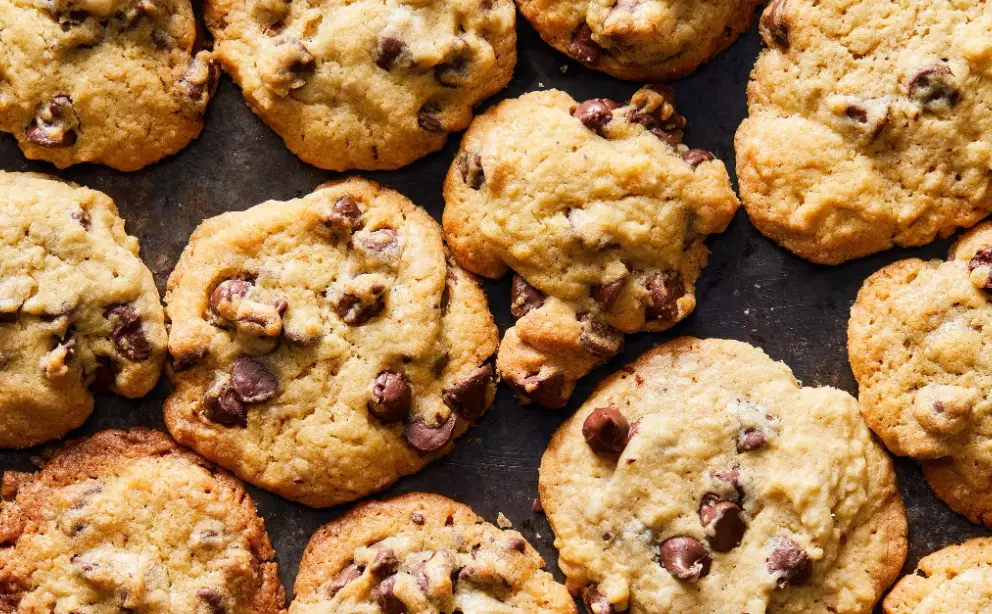
Another thing nobody tells you: resting the dough for 30 minutes before baking does more for chewiness than chilling it for 24 hours. I tested this side by side. The 30-minute rest batch spread less and had a softer crumb. The overnight batch tasted great but the texture was denser. You choose based on what you want.
The 30-minute rest lets the flour fully hydrate. That means less free water in the oven, which means less steam, which means less spread. Simple physics.
Ingredient Breakdown (With Weights That Matter)
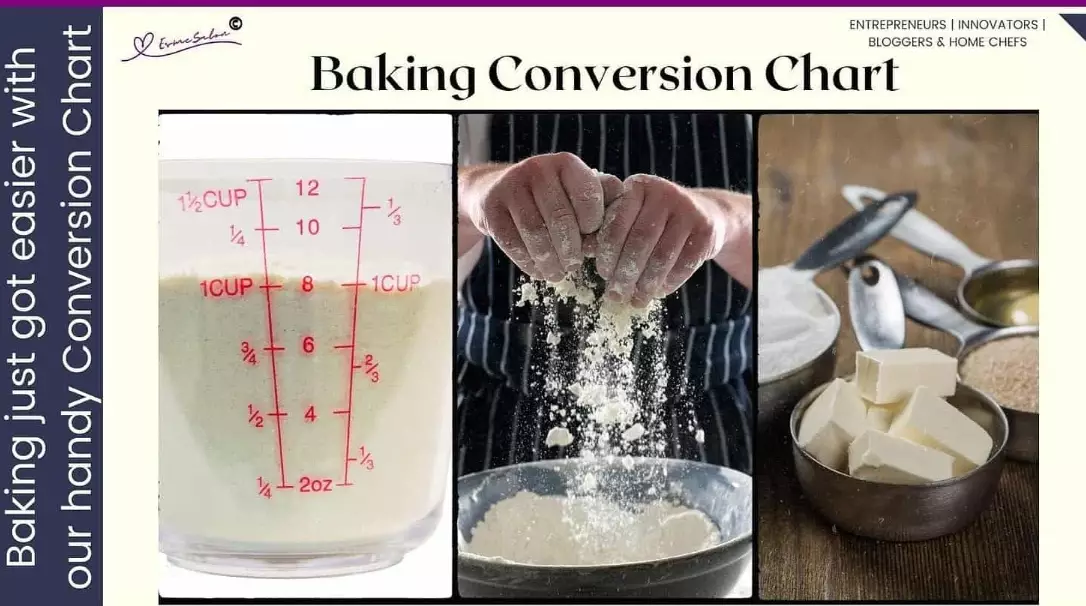
Cup measurements are unreliable for baking. One cup of flour can weigh anywhere from 120 to 150 grams depending on how you scoop. I use a digital scale. It cost me twelve dollars and saved dozens of batches.
| Ingredient | Weight (grams) | Volume (approx.) | Why It Matters |
|---|---|---|---|
| All-purpose flour | 190 g | 1 1/2 cups | Too much flour = cakey, dry cookies |
| Unsalted butter, melted | 113 g | 1/2 cup (1 stick) | Melted butter dissolves sugar better, creates chew |
| Dark brown sugar, packed | 150 g | 3/4 cup | More molasses = more moisture = chewier |
| Granulated sugar | 75 g | 1/3 cup + 1 tbsp | Helps with browning and crisp edges |
| Large egg | 50 g | 1 whole | Room temperature binds better |
| Egg yolk | 17 g | 1 yolk | Extra fat = extra tenderness |
| Vanilla extract | 5 g | 1 tsp | Use real extract, not imitation |
| Baking soda | 3 g | 1/2 tsp | Neutralizes acidity from brown sugar |
| Fine sea salt | 4 g | 3/4 tsp | Salt enhances chocolate flavor dramatically |
| Semisweet chocolate chips | 170 g | 1 cup | Chop half of them for better distribution |
One non-consensus tip: chop half your chocolate chips. Whole chips create pockets of chocolate. Chopped chips create streaks. Streaks give you chocolate in every bite. I learned this from a pastry chef at a small bakery in Portland. She said the visual texture matters as much as the taste.
Step-by-Step: How to Make This Chocolate Chip Cookie Recipe
1. Melt the butter and let it cool for 5 minutes
Melted butter gives you chew. Softened butter gives you fluff. I melt mine in a small saucepan over low heat. Swirl the pan once. Pull it off the heat when about 80 percent is melted. The residual heat finishes the job. Let it sit for 5 minutes so it doesn't cook the eggs.
2. Whisk both sugars into the butter
Whisk hard for 45 seconds. The mixture should look glossy and slightly lighter in color. You're not creaming here. You're dissolving. This step creates that crackly top crust people fight over.
3. Add egg, yolk, and vanilla
Whisk until the mixture is smooth and ribbons off the whisk. If it looks curdled, your butter was too hot. Let it cool another few minutes and whisk again.
4. Fold in dry ingredients
Mix flour, baking soda, and salt in a separate bowl. Dump it into the wet mixture. Use a spatula. Stir about 15 times. Stop when you see no dry flour streaks. Overmixing develops gluten. Gluten makes cookies tough and flat.
5. Add chocolate and rest the dough
Fold in the chocolate chips and chopped chocolate. Cover the bowl with a plate. Set a timer for 30 minutes. This rest is non-negotiable in my kitchen. The dough will firm up and the flour will hydrate.
6. Scoop and bake
Heat oven to 180°C (350°F). Line two baking sheets with parchment. Scoop 3-tablespoon mounds of dough. Space them 3 inches apart. Bake one sheet at a time on the middle rack for 11 to 13 minutes. Pull them out when the edges are golden brown and the centers still look slightly underbaked. They will finish setting on the hot pan.
Do not bake two sheets at once. The bottom sheet blocks heat from the top. Your cookies will bake unevenly. I learned this the hard way with a batch that had burnt bottoms and raw centers.
Why Your Cookies Turned Out Flat (Troubleshooting Table)
Flat cookies are the number one complaint I see in baking forums. Here are the actual causes, ranked by how often I've seen them in my own kitchen.
| Problem | Most Likely Cause | Fix for Next Batch |
|---|---|---|
| Cookies spread too thin | Butter was too warm or you greased the pan | Cool butter for 10 minutes; use parchment, not butter or spray |
| Cookies taste cakey | Too much flour (scooping with a measuring cup) | Weigh flour at 190 g; fluff the bag before scooping |
| Cookies are pale and hard | Oven temp too low or baking soda is old | Use an oven thermometer; test baking soda by dropping a pinch in vinegar |
| Chocolate burns on top | Rack too high or chips too large | Bake on middle rack; chop chocolate into smaller pieces |
| Cookies stick to the pan | No parchment or pan is too dark | Always use parchment; dark pans absorb more heat |
One thing I wish someone told me earlier: your oven lies. Mine runs 15 degrees hotter than the dial says. A ten dollar oven thermometer fixed that. Now my cookies come out the same every time.
FAQ: Real Questions From My Baking Group
My dough looks greasy after mixing. What went wrong?
Your butter was probably too hot when you added the eggs. The fat separated from the water phase. Next time, let the melted butter cool until you can hold your finger in it for 3 seconds. Also, make sure your eggs are room temperature. Cold eggs shock warm butter and cause curdling.
Can I skip the 30-minute rest if I'm in a hurry?
You can, but expect more spread and a slightly drier texture. The rest is doing real work. If you truly can't wait, add 10 grams of extra flour to the dough. That compensates for the water that hasn't been absorbed yet.
How do I get that bakery-style crackly top?
The crackle comes from dissolving the sugars fully in melted butter before adding flour. Whisk the butter and sugars for a full 45 seconds. Also, don't skip the egg yolk. The extra fat creates a shiny surface that cracks as it cools.
Why do my cookies taste bland even though I followed the recipe?
Check your salt. Most people under-salt cookie dough. I use 4 grams of fine sea salt for this batch. If you're using kosher salt, that's about 1 teaspoon. Also, taste your chocolate chips before baking. Cheap chips have very little cocoa butter and taste waxy. A better chip makes a better cookie.
Can I freeze the dough?
Yes, and here's the exact method: scoop the dough onto a parchment-lined sheet, freeze for 2 hours, then transfer the frozen mounds to a zip-top bag. They keep for 2 months. Bake from frozen at 170°C (340°F) for 14 to 16 minutes. Don't thaw. Thawed dough spreads more.
I've tested this chocolate chip cookie recipe with three different brands of flour and two types of brown sugar. The weights in the table above are the ones that worked most consistently. Your kitchen will have its own quirks. Write down what you change. That's the only way to dial in your perfect batch. This article was fact-checked against the USDA's food safety guidelines for egg handling and baking soda efficacy.

Leave a Comment