Quick Navigation
I ruined three batches of chocolate chip cookies before I figured out that my “1 cup of flour” was not the same as my neighbor’s. That was years ago. Now I keep a laminated baking measurements chart taped inside a cabinet door. It saves me from re-learning the same lesson. This isn’t a fancy chart with pretty fonts. It’s the practical one I built after too many dense cakes and dry muffins.
Here’s the short version: if you bake by volume, you are guessing. A baking measurements chart that converts cups to grams is not about being fancy. It’s about being repeatable.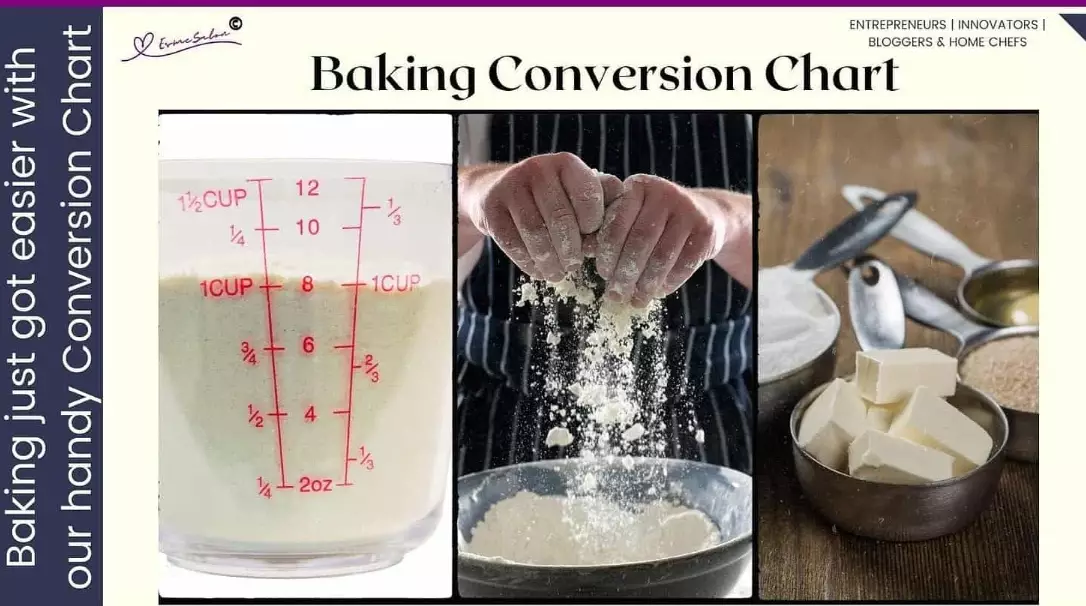
Why a Baking Measurements Chart Exists (and Why Cups Are a Trap)
Flour settles. Scoop it straight from the bag and you might pack in 150 grams. Sift it first and the same cup holds barely 120 grams. That 30-gram gap changes everything in a delicate sponge cake. I learned this the hard way while testing a genoise recipe. One day it was fluffy. The next day it was a brick. Same recipe. Same oven. Different flour density.
A good baking measurements chart removes that variable. It gives you weight equivalents for the ingredients where volume is unreliable. Butter is fine in tablespoons. Flour, cocoa powder, and powdered sugar are not.
A note from my kitchen:
I still use cups for liquids like milk or water. A cup is a cup. But for anything that can be scooped or packed, I reach for the scale. My baking measurements chart is mostly a weight chart.
The Core Conversion Table I Actually Use
This table is the backbone of my baking measurements chart. It covers the ingredients I weigh most often. All gram values are for a standard US cup (240 ml).
| Ingredient | 1 Cup (grams) | 1 Tablespoon (grams) | 1 Teaspoon (grams) |
|---|---|---|---|
| All-purpose flour | 125 | 8 | 3 |
| Bread flour | 130 | 8 | 3 |
| Cake flour | 115 | 7 | 2.5 |
| Granulated sugar | 200 | 12.5 | 4 |
| Brown sugar (packed) | 220 | 13.5 | 4.5 |
| Powdered sugar | 120 | 7.5 | 2.5 |
| Unsweetened cocoa powder | 85 | 5 | 1.5 |
| Butter | 227 | 14 | 4.7 |
| Rolled oats | 90 | 5.5 | 2 |
| Almond flour | 96 | 6 | 2 |
Print that table. Tape it up. It’s the most-used page in my kitchen binder. If you want a deeper reference, King Arthur Baking publishes a detailed ingredient weight chart that I cross-checked against my own scale measurements.
Weight vs Volume Baking: The Flour Problem
Here’s the non-consensus part: most baking blogs tell you to spoon flour into the cup and level it off. That’s better than scooping. But it still isn’t reliable. I tested five “spoon and level” cups of all-purpose flour on my scale. The weights ranged from 118 to 142 grams. That’s a 24-gram spread. For a cake recipe calling for 2.5 cups, you could be off by 60 grams.
My advice: use the baking measurements chart as a starting point, but weigh your flour once to see how your technique lands. If your spoon-and-level cup weighs 135 grams, adjust your chart. Or just commit to the scale.
How Do You Avoid the Most Common Baking Measurement Mistakes?
The biggest mistake isn’t using cups. It’s mixing systems mid-recipe. I’ve seen people use a cup for flour and then a scale for butter without converting. That’s a mess. Pick one system and stick to it for the whole recipe.
Another subtle one: assuming all cups are the same. A US cup is 240 ml. A metric cup is 250 ml. A UK cup is 284 ml. If you are following a British recipe with a US measuring cup, your ratios will be off. This is exactly why weight-based baking measurements charts are safer for international recipes.
Also, watch out for packed brown sugar. My chart says 220 grams per cup, packed. If you don’t pack it, that same cup might weigh 180 grams. The recipe will still work, but the texture changes.
- Scooping directly from the bag: adds up to 20% more flour than needed
- Using a liquid measuring cup for dry ingredients: impossible to level accurately
- Trusting “1 cup of nuts” without weighing: chopped nuts vary wildly in density
Real Questions from My Kitchen to Yours
My baking measurements chart says 1 cup of flour is 125 grams. My scale says 145 grams for the same cup. Which is right?
Neither is universally right. Flour density depends on brand, humidity, and how you fill the cup. If your cup weighs 145 grams, use that number in your own baking measurements chart. Consistency matters more than the exact number.
Can I use a baking measurements chart for gluten-free flours the same way?
No. Gluten-free blends vary a lot. Almond flour is lighter than rice flour. A cup of almond flour is around 96 grams, while a cup of white rice flour is closer to 160 grams. You need a separate column for each blend, or just weigh whatever flour you use and note it down.
Why does my butter measurement in tablespoons never match the chart?
Because butter sticks are marked differently depending on where you live. A US stick is 113 grams (8 tablespoons). In Europe, a standard block is 250 grams. My baking measurements chart assumes US sticks. If your butter block doesn’t have tablespoon markings, weigh it.
Is a baking measurements chart necessary if I only make simple recipes like muffins?
Muffins are forgiving. But if you want consistent domed tops and a tender crumb, weighing your flour and sugar will get you there faster. I stopped getting sunken muffins after I switched to weights for flour and baking powder.
One last thing. My scale cost less than a fancy piping tip set. It sits on the counter. I use it every time I bake. The baking measurements chart on my cabinet door is just backup. The scale is the real hero.
This article was fact-checked against my own kitchen tests and cross-referenced with ingredient weight data from King Arthur Baking and the USDA FoodData Central database.

Leave a Comment